Yoga Breathing Techniques A Comprehensive Guide
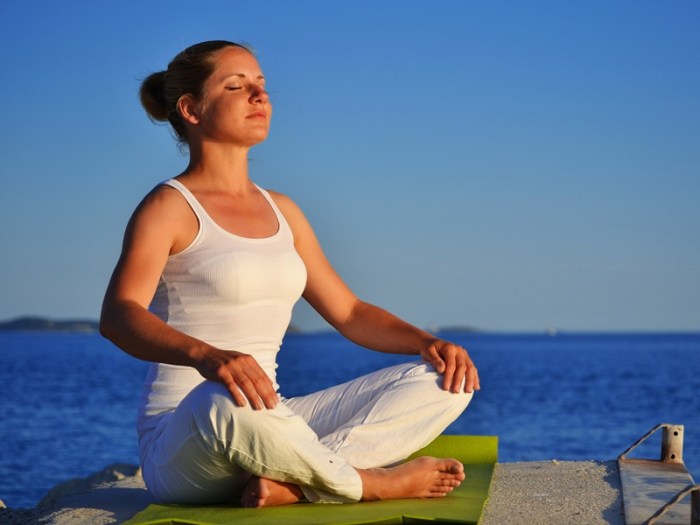
Yoga Breathing Techniques, also known as Pranayama, offer a profound pathway to physical and mental well-being. This ancient practice, originating in India, involves controlled breathing exercises designed to influence the flow of prana, or life force energy, throughout the body. From stress reduction to enhanced athletic performance, the benefits are far-reaching and deeply impactful, extending beyond mere physical fitness to encompass mental clarity and emotional balance.
Understanding the various techniques and their applications provides a toolkit for navigating daily challenges and cultivating a deeper connection with oneself.
This guide explores the diverse world of Pranayama, detailing specific techniques like Ujjayi, Nadi Shodhana, Kapalabhati, and Bhramari, examining their mechanics, benefits, and potential contraindications. We will delve into how these techniques are integrated into various yoga styles, showcasing their role in asanas, transitions, and overall practice. Furthermore, we’ll explore practical applications for stress management, sleep improvement, and even injury recovery, demonstrating the versatility and power of conscious breathing.
Introduction to Yoga Breathing Techniques
Yoga breathing techniques, also known as pranayama, are integral to the practice of yoga. Their origins trace back thousands of years to ancient India, interwoven with the development of yoga philosophy and spiritual practices. While precise historical records are limited, pranayama’s significance is evident in ancient texts like the Hatha Yoga Pradipika and the Bhagavad Gita, which detail various breathing exercises and their effects on physical and mental well-being.
These techniques weren’t merely physical exercises; they were considered pathways to spiritual enlightenment, aiming to control and refine the life force, or prana.The physiological benefits of pranayama are numerous and well-documented. Controlled breathing directly impacts the autonomic nervous system, influencing heart rate, blood pressure, and stress levels. Different breathing techniques engage various parts of the respiratory system, promoting lung capacity and improving oxygen intake.
Furthermore, specific pranayama practices can stimulate the vagus nerve, known for its role in regulating the parasympathetic nervous system, promoting relaxation and reducing anxiety. This, in turn, can positively influence sleep quality, digestion, and overall immune function.
Types of Yoga Breathing Techniques and Their Applications
Several yoga breathing techniques exist, each with unique applications and benefits. These techniques vary in their rhythm, depth, and the way the breath is manipulated. Understanding these variations is crucial for tailoring practice to individual needs and goals.
- Dirga Pranayama (Three-Part Breath): This foundational technique involves filling the lungs in three stages: abdominal, thoracic, and clavicular. It promotes deep, full breaths, increasing lung capacity and calming the nervous system. The deep, slow inhalations and exhalations encourage relaxation and reduce stress. Regular practice can improve posture and increase energy levels.
- Ujjayi Pranayama (Ocean Breath): This technique involves constricting the throat slightly during inhalation and exhalation, creating a soft, ocean-like sound. It’s often used in warming-up for more intense yoga practices as it increases body temperature and helps focus the mind. The subtle constriction also creates a calming effect, reducing stress and anxiety.
- Kapalabhati Pranayama (Skull Shining Breath): This technique involves forceful exhalations followed by passive inhalations. It’s an energizing practice that cleanses the respiratory system and improves circulation. However, it’s not recommended for individuals with high blood pressure or other cardiovascular conditions without proper guidance from a qualified instructor.
- Nadi Shodhana Pranayama (Alternate Nostril Breathing): This technique involves alternating the breath between the left and right nostrils using the thumb and ring finger. It’s believed to balance the Ida and Pingala nadis (energy channels), promoting mental clarity and emotional equilibrium. Regular practice can improve focus and reduce stress and anxiety.
Specific Yoga Breathing Techniques
Pranayama, the practice of controlling breath, is a cornerstone of yoga. Different pranayama techniques offer unique benefits by influencing the autonomic nervous system and altering the flow of prana (vital energy) throughout the body. Understanding the mechanics and effects of these techniques is crucial for safe and effective practice.
Pranayama Techniques: A Comparative Overview
The following table summarizes four common pranayama techniques, outlining their mechanics, benefits, and contraindications. Remember to consult with a qualified yoga instructor before beginning any new pranayama practice, especially if you have pre-existing health conditions.
| Technique Name | Description | Benefits | Contraindications |
|---|---|---|---|
| Ujjayi Breath (Victorious Breath) | A gentle, constricted breath created by slightly constricting the throat, producing a soft ocean-like sound. Inhale and exhale through the nose. | Calming effect, reduces stress and anxiety, warms the body, improves focus and concentration. | High blood pressure (in some cases), insomnia (if practiced before bed), pregnancy (in later stages). |
| Nadi Shodhana (Alternate Nostril Breathing) | Involves alternately inhaling through one nostril and exhaling through the other, using the thumb and ring finger to control the nostrils. | Balances the left and right hemispheres of the brain, calms the nervous system, reduces stress and anxiety, improves sleep. | Severe nasal congestion, severe headaches, epilepsy (in some cases). |
| Kapalabhati (Skull Shining Breath) | A forceful exhalation followed by a passive inhalation. The abdomen contracts forcefully on the exhale, creating a rapid, short breath. | Cleanses the respiratory system, increases energy levels, stimulates the digestive system, improves circulation. | High blood pressure, glaucoma, pregnancy, hernia, heart conditions. |
| Bhramari (Bee Breath) | A gentle humming sound is produced during exhalation by slightly closing the mouth and buzzing the lips. | Calming effect, reduces stress and anxiety, lowers blood pressure, improves sleep quality, relieves headaches. | Ear infections (in some cases), pregnancy (in later stages). |
Mechanics of Pranayama Techniques
Each pranayama technique engages specific muscle groups and airflow patterns to achieve its unique effects. Understanding these mechanics is essential for proper practice and maximizing benefits.
Ujjayi Breath: This technique involves the contraction of the muscles in the throat (pharyngeal constrictors) to create a slight constriction during both inhalation and exhalation. Airflow is smooth and continuous through the nose. The diaphragm plays a supporting role in the breathing process.
Nadi Shodhana: This technique utilizes the muscles of the face and fingers to control the airflow through the nostrils. The diaphragm and intercostal muscles are involved in the inhalation and exhalation process. Airflow is regulated through alternating nostrils.
Kapalabhati: This technique relies on the forceful contraction of the abdominal muscles (rectus abdominis, obliques, and transverse abdominis) to expel air rapidly. The diaphragm plays a less active role, primarily relaxing during the forceful exhalation. Inhalation is passive.
Bhramari: This technique uses the muscles of the mouth and throat to produce the humming sound during exhalation. The diaphragm and intercostal muscles are involved in the breathing process. Airflow is smooth and continuous through the nose and mouth.
Comparative Effects of Pranayama Techniques
While all pranayama techniques aim to regulate the breath and promote well-being, their effects on the body and mind vary. Ujjayi and Bhramari are generally calming and stress-reducing, while Kapalabhati is energizing and cleansing. Nadi Shodhana offers a balancing effect, harmonizing the body’s energies. The choice of technique depends on individual needs and goals.
For instance, Ujjayi is often incorporated into warming yoga sequences, while Kapalabhati might be used to invigorate the body before a physical activity. Bhramari is particularly helpful for calming the mind before meditation or sleep. Nadi Shodhana is a versatile technique useful for stress reduction and overall balance.
Yoga Breathing Techniques in Different Yoga Styles
The integration of breathwork (pranayama) is fundamental to all yoga styles, though its emphasis and specific techniques vary considerably. Understanding the relationship between breath and movement is key to experiencing the full benefits of any yoga practice. Different styles utilize different breathing patterns to achieve specific physical and mental outcomes, enhancing the overall practice and its impact on the practitioner.The breath acts as a powerful tool, guiding movement, deepening stretches, and cultivating inner stillness.
It’s not merely an accompaniment to the asanas (poses); it’s an integral part of the practice, influencing energy flow, focus, and overall well-being.
Breathing Techniques in Hatha Yoga
Hatha yoga, often considered the foundation of many other styles, emphasizes a slower, more deliberate approach to both asanas and breathing. Deep, conscious breaths, often utilizing techniques like Dirga Pranayama (three-part breath) and Ujjayi Pranayama (ocean breath), are central. The focus is on cultivating awareness of the breath and its effect on the body and mind. Ujjayi breath, in particular, is often used to maintain a steady rhythm and promote internal heat, supporting deeper stretches and relaxation.
Dirga Pranayama, with its full inhalation and exhalation, helps to calm the nervous system and enhance the body’s oxygen intake.
Breathing Techniques in Vinyasa Yoga
Vinyasa yoga is characterized by its flowing sequences of asanas, linked together by the breath. The breath dictates the movement, creating a dynamic and energetic practice. Vinyasa often utilizes Ujjayi breath throughout the sequence to maintain a smooth, connected flow and build internal heat. In transitions between asanas, the inhalation and exhalation guide the movements, creating a seamless experience.
For instance, inhaling might lift the body into a standing pose, while exhaling might lower it into a forward bend. The breath becomes the choreographer of the movement, making the practice both challenging and meditative.
Breathing Techniques in Ashtanga Yoga
Ashtanga yoga is a physically demanding style known for its vigorous sequences of asanas performed in a set order. Ujjayi breath is fundamental to Ashtanga, regulating the breath and creating a powerful internal heat that helps to detoxify the body and deepen the practice. The consistent use of Ujjayi breath throughout the challenging sequences helps to maintain stamina and focus.
The breath’s rhythmic nature synchronizes with the movement, creating a powerful and meditative experience. The breath helps to build strength and endurance, supporting the intensity of the practice.
Breathing Techniques in Restorative Yoga
Restorative yoga focuses on deep relaxation and stress reduction. Gentle breathing techniques, such as Nadi Shodhana Pranayama (alternate nostril breathing) and Sama Vritti Pranayama (equal breathing), are often employed. These techniques calm the nervous system and promote a sense of peace and tranquility. The emphasis is on holding poses for extended periods, allowing the body to fully release tension and the mind to quiet.
The breath supports the deepening of relaxation, fostering a state of profound rest and rejuvenation.
Breathing Techniques in Various Asanas
The importance of breath synchronization with various asanas cannot be overstated. It enhances the benefits and safety of each pose.
- Adho Mukha Svanasana (Downward-Facing Dog): Inhaling lengthens the spine, exhaling deepens the stretch.
- Trikonasana (Triangle Pose): Inhaling lengthens the torso, exhaling deepens the side stretch.
- Uttanasana (Standing Forward Bend): Inhaling prepares for lifting, exhaling deepens the forward fold.
- Chaturanga Dandasana (Four-Limbed Staff Pose): Exhaling controls the lowering, inhaling prepares for the next movement.
- Savasana (Corpse Pose): Deep, rhythmic breathing promotes relaxation and deeper rest.
Breath Support in Vinyasa Transitions
In Vinyasa yoga, transitions between asanas are fluid and dynamic, guided by the breath. For example, moving from a plank pose to a chaturanga dandasana, the exhalation is crucial in controlling the descent into the low push-up. The subsequent inhalation initiates the movement to upward-facing dog, creating a seamless flow dictated by the breath. Similarly, transitioning from a forward bend to a standing pose, the inhalation provides the power to lift the torso, while the exhalation helps in maintaining balance.
This synchronization creates a powerful and efficient practice.
Practical Applications of Yoga Breathing Techniques
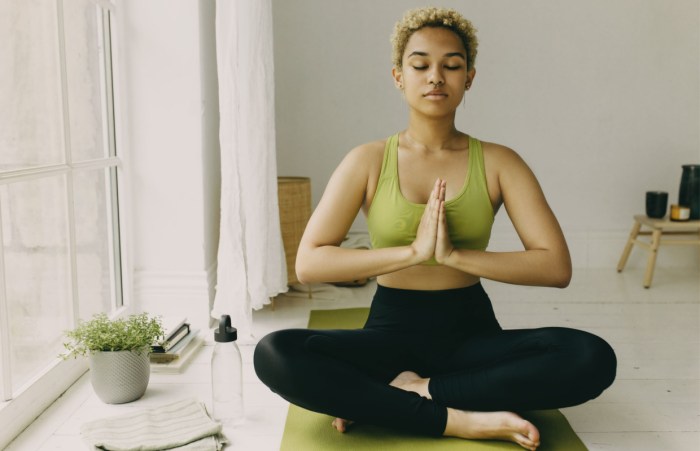
Yoga breathing, or pranayama, offers a powerful toolkit for enhancing physical and mental well-being. Its practical applications extend far beyond the yoga mat, impacting daily life in significant ways by directly influencing our physiological and psychological responses to stress, sleep, and overall relaxation. Mastering these techniques can equip individuals with readily accessible self-regulation strategies for navigating the challenges of modern life.
The controlled and conscious manipulation of breath profoundly impacts our nervous system. By regulating the breath, we can directly influence the autonomic nervous system, which governs involuntary functions like heart rate, digestion, and respiration. This allows us to shift from the sympathetic (“fight or flight”) response, associated with stress and anxiety, to the parasympathetic (“rest and digest”) response, promoting relaxation and calmness.
This shift is crucial for managing stress and improving overall well-being.
Stress Reduction and Anxiety Management
Yoga breathing techniques, particularly slow, deep breaths (like diaphragmatic breathing or Ujjayi breath), activate the parasympathetic nervous system. This counteracts the effects of stress hormones like cortisol, lowering heart rate and blood pressure. Regular practice can build resilience to stress, reducing the frequency and intensity of anxiety symptoms. Studies have shown that consistent pranayama practice can significantly reduce anxiety scores in individuals with generalized anxiety disorder.
For instance, a study published in the Journal of Anxiety Disorders demonstrated a significant reduction in anxiety symptoms among participants who practiced specific pranayama techniques for eight weeks. The calming effect of these techniques provides a readily available tool for managing stress in everyday situations, from navigating challenging work environments to coping with difficult personal relationships.
Improved Sleep Quality and Relaxation
Shallow, rapid breathing is often associated with racing thoughts and difficulty falling asleep. Yoga breathing techniques, in contrast, promote relaxation and improve sleep quality by slowing the breath and calming the mind. Techniques like alternate nostril breathing (Nadi Shodhana) and calming breath (Sama Vritti) can help quiet the mind and prepare the body for sleep. The rhythmic nature of these practices can create a sense of calm and promote deeper, more restorative sleep.
These practices can also help manage insomnia and improve sleep efficiency, allowing for a more restful and rejuvenating night’s sleep. Consistent practice can lead to improved sleep duration and quality, contributing to increased daytime energy levels and overall well-being.
Guided Meditation for Relaxation
Practicing a short guided meditation incorporating specific yoga breathing techniques can significantly enhance relaxation. The following steps Artikel a simple, yet effective, guided meditation:
- Find a comfortable seated or lying-down position. Close your eyes gently.
- Begin with three deep, slow breaths, inhaling deeply through your nose and exhaling slowly through your mouth. Focus on the sensation of your breath entering and leaving your body.
- Transition to Ujjayi breath (ocean breath): Inhale and exhale slowly through your nose, slightly constricting the back of your throat to create a soft, gentle sound like ocean waves. Maintain a slow, even rhythm for 5-10 breaths.
- Shift to Sama Vritti (equal breathing): Inhale and exhale to a count of four, ensuring both inhalation and exhalation are equal in duration. Continue this for 5-10 breaths, focusing on the sensation of the breath and the calming rhythm.
- Gently bring your awareness to your body, noticing any sensations without judgment. Observe the rise and fall of your chest or abdomen with each breath.
- Continue with Sama Vritti for another 5-10 breaths, allowing your mind to settle and quiet.
- Slowly return to your normal breath, and when you feel ready, gently open your eyes.
Yoga Breathing and General Fitness
Yoga breathing, or pranayama, offers a unique set of benefits that complement and enhance traditional fitness approaches. While cardio and strength training focus primarily on physical exertion, pranayama emphasizes the mind-body connection through controlled breathing, impacting both physical and mental well-being. Understanding how these approaches interact can lead to a more holistic and effective fitness regimen.Yoga breathing techniques significantly impact various aspects of fitness.
Unlike solely cardio or strength training, which often neglect the role of breath control, pranayama integrates it directly into the practice, leading to a more efficient and mindful workout.
Benefits of Yoga Breathing Compared to Cardio and Strength Training, Yoga Breathing Techniques
Cardio workouts and strength training primarily focus on cardiovascular health and muscle development, respectively. While both are crucial for overall fitness, they often overlook the importance of mindful breathing. Yoga breathing, however, directly addresses respiratory function, improving oxygen intake and carbon dioxide expulsion. This leads to increased energy levels, reduced stress, and enhanced mental clarity—benefits often absent or less pronounced in solely cardio or strength training routines.
For instance, a runner focusing solely on speed might neglect optimal breathing patterns, leading to fatigue. In contrast, a yogi practicing pranayama would learn to control their breath, improving endurance and efficiency. Similarly, weightlifters might hold their breath during strenuous lifts, potentially compromising oxygen flow and increasing risk of injury. Controlled breathing during strength training, as taught in some yoga-inspired fitness programs, can lead to better form and less strain.
Enhancing Fitness Performance with Yoga Breathing
Incorporating yoga breathing techniques can significantly enhance performance in various fitness activities. For example, practicing techniques like Ujjayi breath (ocean breath) can improve focus and concentration during activities requiring sustained effort, such as long-distance running or cycling. The rhythmic and controlled nature of this breath also promotes a sense of calm, reducing anxiety and improving performance under pressure.
Similarly, Kapalabhati (skull shining breath) can be used to increase energy and stamina before a workout, while Bhramari (bee breath) can help reduce stress and promote relaxation after a strenuous session. These techniques directly impact the body’s physiological responses to exertion, optimizing performance and recovery.
Breathwork’s Role in Injury Prevention and Recovery
Proper breathing techniques play a vital role in injury prevention and recovery. Deep, controlled breathing helps to increase blood flow to muscles, promoting faster healing and reducing inflammation. Techniques like Dirga Pranayama (three-part breath) can improve lung capacity and oxygenation, aiding in muscle repair and reducing the risk of future injuries. Conversely, shallow or erratic breathing can restrict blood flow, delaying recovery and increasing the risk of re-injury.
For example, a person recovering from a hamstring strain could benefit from practicing Dirga Pranayama to improve blood flow to the injured area, aiding in the healing process. Similarly, practicing mindful breathing can reduce stress and tension, which are often contributing factors to injuries.
Yoga Breathing and Related Fitness Areas
Yoga breathing, or pranayama, significantly enhances various fitness areas beyond just yoga practice. Its integration into other disciplines and daily life promotes physical and mental well-being, leading to improved performance and overall health. The connection between breathwork and other fitness modalities is multifaceted, offering a holistic approach to wellness.
Yoga Breathing and Meditation Practices
The relationship between yoga breathing and meditation is deeply intertwined. Controlled breathwork, such as diaphragmatic breathing or Ujjayi breath, is often a cornerstone of meditation practices. By focusing on the breath, practitioners can quiet the mind, reduce stress, and cultivate a state of mindfulness. The rhythmic nature of pranayama helps regulate the autonomic nervous system, promoting relaxation and reducing the activity of the sympathetic nervous system, often associated with the “fight or flight” response.
This, in turn, allows for a deeper meditative state and increased self-awareness. Many meditation techniques explicitly incorporate specific breathing exercises to guide the practitioner towards a calm and focused mental space.
Yoga Breathing and Pilates
Pilates, known for its emphasis on core strength and controlled movements, benefits significantly from the integration of yoga breathing techniques. Deep, controlled inhalation and exhalation synchronize with the Pilates exercises, enhancing body awareness, promoting efficient movement, and increasing the effectiveness of each repetition. The breath helps to lengthen the spine, stabilize the core, and improve the range of motion.
For example, during a Pilates roll-up, the controlled exhalation helps to engage the abdominal muscles and support the spine, preventing injury and maximizing the benefits of the exercise. Conversely, the inhalation facilitates spinal lengthening and expansion.
Yoga Breathing and Stretching Exercises
Incorporating yoga breathing into stretching exercises significantly enhances flexibility and reduces the risk of injury. Deep, conscious breathing during stretches helps to relax the muscles, allowing for a deeper and more comfortable stretch. The breath can be used to guide the movement, facilitating a more controlled and mindful approach. For example, during a hamstring stretch, a deep inhalation can help lengthen the spine, while a slow exhalation can deepen the stretch in the hamstrings without straining the muscles.
This mindful approach to stretching reduces the risk of muscle tears and promotes a greater sense of body awareness.
Integrating Yoga Breathing into Home Workouts and Outdoor Fitness Adventures
Yoga breathing can easily be integrated into various fitness routines. In home workouts, incorporating deep breathing between sets of strength training exercises can help reduce muscle fatigue, improve recovery, and enhance focus. Similarly, during cardio workouts, conscious breathing can improve endurance and regulate heart rate. In outdoor fitness adventures, such as hiking or running, mindful breathing techniques can help manage stamina and reduce breathlessness.
For example, practicing Ujjayi breath during a run can help to regulate the breath and increase lung capacity, leading to improved performance. During a challenging hike, focusing on deep, diaphragmatic breaths can help to manage fatigue and prevent breathlessness.
Fitness Gadgets and Gear Supporting Yoga Breathing Practices
Several fitness gadgets and gear can support yoga breathing practices. A supportive yoga mat provides comfort and stability during practice. A meditation cushion aids in maintaining proper posture for seated meditation and breathwork. Numerous smartphone apps offer guided meditations and pranayama sessions, providing structured practice and helpful feedback. Other supportive tools include yoga straps, blocks, and bolsters, which can aid in achieving and maintaining proper posture during breathing exercises.
These tools, while not strictly necessary, can enhance the overall experience and make the practice more accessible and comfortable.
Mastering Yoga Breathing Techniques is a journey of self-discovery, leading to a deeper understanding of the mind-body connection. Through consistent practice and mindful application, individuals can unlock the transformative potential of Pranayama, cultivating resilience, enhancing physical capabilities, and fostering a greater sense of inner peace. Whether seeking stress relief, improved fitness performance, or a pathway to deeper meditation, the techniques explored here offer a valuable toolset for enhancing overall well-being and enriching life’s experiences.
The journey begins with a single breath, a single conscious inhale and exhale, opening the door to a world of possibilities.
FAQ Section: Yoga Breathing Techniques
What are the risks of improper Yoga Breathing Techniques?
Improper techniques can lead to dizziness, lightheadedness, or hyperventilation. It’s crucial to learn from qualified instructors and modify practices based on individual needs.
How often should I practice Yoga Breathing?
Regular practice, even for short durations daily, is more beneficial than infrequent long sessions. Start with 5-10 minutes and gradually increase as you feel comfortable.
Can I use Yoga Breathing during pregnancy?
Some techniques are suitable, but others should be avoided. Consult with a qualified prenatal yoga instructor for guidance.
Is Yoga Breathing suitable for everyone?
While generally safe, individuals with certain medical conditions (e.g., heart problems, glaucoma) should consult their doctor before starting.


