Stretching for Flexibility and Mobility
Stretching for Flexibility and Mobility is crucial for overall health and well-being. This exploration delves into the distinctions between flexibility and mobility, tracing the evolution of stretching techniques from ancient practices to modern methodologies. We’ll examine various stretching types—static, dynamic, ballistic, and PNF—detailing their benefits, drawbacks, and proper execution, ensuring a comprehensive understanding for readers of all fitness levels.
From targeted routines for specific muscle groups to integrating stretching into existing fitness regimes, we’ll cover injury prevention, optimal timing, common mistakes to avoid, and modifications based on individual needs. This guide also explores the synergistic relationships between stretching and other fitness activities like yoga, Pilates, and strength training, offering a holistic approach to improving flexibility, mobility, and overall physical fitness.
Introduction to Stretching for Flexibility and Mobility
Maintaining adequate flexibility and mobility is crucial for overall health and well-being. Regular stretching improves range of motion, reduces the risk of injury, and enhances athletic performance. Beyond physical benefits, stretching can also contribute to stress reduction and improved posture, leading to a greater sense of overall well-being.Flexibility and mobility, while often used interchangeably, represent distinct concepts. Flexibility refers to the ability of a muscle to lengthen passively, meaning the extent to which a joint can be passively moved to its end range.
Mobility, on the other hand, encompasses the ability to actively move a joint through its full range of motion. Think of it this way: flexibility is how far a joint can be moved
- by someone else*, while mobility is how far you can move it
- yourself*. Both are interconnected and essential for optimal physical function.
A Brief History of Stretching Techniques
Stretching practices have existed for centuries, integrated into various physical cultures and healing traditions. Ancient civilizations, including the Egyptians and Greeks, utilized stretching as part of their physical training and therapeutic practices. Modern stretching techniques, however, have evolved significantly. Early forms often focused on static stretches held for extended periods. Over time, dynamic stretching, ballistic stretching, and proprioceptive neuromuscular facilitation (PNF) have emerged, each offering unique benefits and applications.
The scientific understanding of muscle physiology and biomechanics has further refined stretching methods, leading to safer and more effective approaches.
Comparison of Stretching Techniques
The following table compares four common types of stretching:
| Type of Stretch | Description | Benefits | Risks |
|---|---|---|---|
| Static Stretching | Holding a stretched position for a period of time (typically 15-30 seconds). | Improved flexibility, reduced muscle soreness. | May temporarily decrease muscle strength and power if performed before activity. |
| Dynamic Stretching | Moving joints through their full range of motion in a controlled manner, without holding each position. Examples include arm circles, leg swings, and torso twists. | Improved mobility, increased blood flow to muscles, preparation for activity. | Risk of injury if performed improperly or too aggressively. |
| Ballistic Stretching | Involves bouncing or jerking movements to stretch muscles. | May increase range of motion quickly. | High risk of injury due to uncontrolled movements and potential muscle tears. Generally discouraged. |
| PNF Stretching (Proprioceptive Neuromuscular Facilitation) | Involves contracting and relaxing muscles in a specific sequence, often with a partner providing resistance. | Significant increase in flexibility and range of motion. | Requires proper training and a partner; risk of injury if performed incorrectly. |
Types of Stretching Techniques
Understanding the different types of stretching is crucial for maximizing flexibility and mobility gains while minimizing the risk of injury. Each technique offers unique benefits and drawbacks, making the choice dependent on individual goals and physical condition. Selecting the appropriate stretching method is key to achieving safe and effective results.
Static Stretching
Static stretching involves holding a stretch in a comfortable position for a sustained period, typically 15-30 seconds. This technique is commonly used after a workout to improve flexibility and reduce muscle soreness. The benefits include increased range of motion, improved muscle relaxation, and a reduction in muscle stiffness. However, static stretching before exercise might slightly decrease muscle strength and power output in the short term, making it less ideal as a pre-workout routine for activities requiring explosive movements.
Therefore, careful consideration of the timing of static stretching is important.
Dynamic Stretching
Dynamic stretching consists of controlled, rhythmic movements that take a joint through its full range of motion. Examples include arm circles, leg swings, and torso twists. This type of stretching is particularly beneficial as a warm-up before exercise, preparing the muscles and joints for activity. Dynamic stretching enhances blood flow to the muscles, increases muscle temperature, and improves neuromuscular coordination, leading to improved performance and reduced risk of injury during physical activity.
It also promotes improved flexibility without the potential short-term strength reduction associated with static stretching.
Ballistic Stretching
Ballistic stretching involves using momentum to force a joint beyond its normal range of motion. This technique often involves bouncing or jerky movements. While it can potentially increase flexibility, it carries a significant risk of injury, particularly muscle strains or tears. The forceful nature of ballistic stretching can overstretch muscles and damage connective tissues. This method is generally discouraged, especially for individuals who are new to stretching or have pre-existing injuries.
Safer alternatives like static or dynamic stretching are recommended to achieve improved flexibility.
Proprioceptive Neuromuscular Facilitation (PNF) Stretching
PNF stretching is a more advanced technique that involves both passive stretching and isometric contractions. It typically requires a partner or therapist to assist. A common example is the contract-relax method: First, the muscle is passively stretched to its end range. Then, the individual isometrically contracts the muscle against resistance for a few seconds. Following this contraction, the muscle is passively stretched further.
This process is repeated several times. PNF stretching is highly effective at increasing flexibility and range of motion, often exceeding the results achieved with other stretching techniques. However, it requires proper training and guidance to avoid injury and should not be attempted without proper instruction. Incorrect application can lead to muscle strains or other injuries.
Stretching for Specific Muscle Groups: Stretching For Flexibility And Mobility
Targeted stretching routines are crucial for improving flexibility, mobility, and overall physical well-being. Focusing on specific muscle groups allows for a more comprehensive approach to enhancing your body’s range of motion and reducing the risk of injury. This section Artikels several targeted stretching routines designed to improve flexibility and mobility in key areas.
A General Stretching Routine Targeting Major Muscle Groups
A balanced stretching routine should incorporate major muscle groups for optimal results. Including legs, back, shoulders, and chest ensures a comprehensive approach to improving flexibility and reducing muscle tightness. Remember to hold each stretch for 15-30 seconds and breathe deeply throughout.
- Legs: Hamstring stretch (seated or standing), quadriceps stretch (standing or lying), calf stretch (against a wall or using a step), hip flexor stretch (lunge).
- Back: Cat-cow stretch, spinal twist, child’s pose, cobra pose.
- Shoulders: Arm circles (forward and backward), shoulder blade squeeze, cross-body shoulder stretch, overhead triceps stretch.
- Chest: Chest stretch against a wall or doorway, cross-body chest stretch.
A Stretching Sequence for Improved Posture, Stretching for Flexibility and Mobility
Poor posture can lead to various musculoskeletal issues. This sequence focuses on stretches that counteract common postural problems, strengthening supporting muscles and improving spinal alignment. Consistent practice is key to achieving lasting postural improvement.
- Neck stretches: Gentle neck rotations, side bends, chin tucks.
- Upper back stretches: Scapular retractions (squeezing shoulder blades together), thoracic rotations (gentle twisting of the upper back).
- Chest stretches: Chest stretches (as described above) to counteract rounded shoulders.
- Shoulder stretches: Shoulder blade squeezes and cross-body stretches to improve shoulder mobility and posture.
- Hip flexor stretches: Addressing tight hip flexors which contribute to anterior pelvic tilt and poor posture.
Specific Stretches for Increasing Hamstring Flexibility
Tight hamstrings are a common complaint, limiting mobility and increasing the risk of lower back pain. These stretches specifically target the hamstrings, improving flexibility and range of motion. Remember to listen to your body and avoid bouncing or forcing the stretch.
- Standing hamstring stretch: Reach for your toes, keeping your back straight.
- Seated hamstring stretch: Extend one leg, keeping the other bent. Lean forward from your hips.
- Towel hamstring stretch: Loop a towel around the ball of your foot and gently pull, keeping your leg straight.
- Lying hamstring stretch: Lie on your back and extend one leg towards the ceiling. Gently pull the leg towards you.
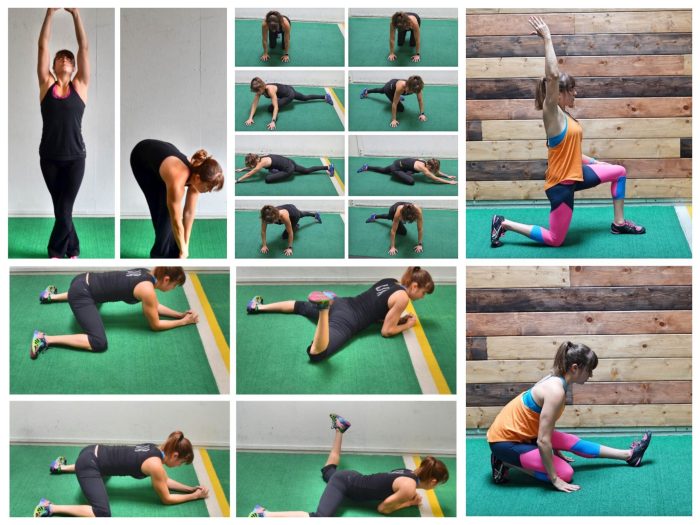
A Stretching Program for Improved Hip Mobility
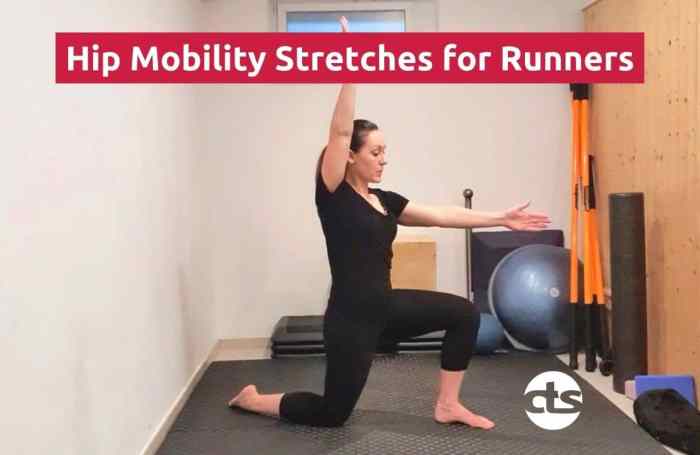
Hip mobility is essential for various activities, from walking to athletic performance. Tight hips can restrict movement and increase the risk of injury. This program focuses on improving hip flexibility and range of motion.
- Pigeon pose: A deep hip opener that targets the piriformis and gluteus muscles.
- Butterfly stretch: Sitting with the soles of your feet together, gently press down on your knees.
- Figure four stretch: Lie on your back and cross one ankle over your opposite thigh, then gently pull your leg towards your chest.
- Hip flexor stretch (lunge variation): Step one leg forward into a lunge position, keeping your back leg straight. Gently push your hips forward.
- Lying hip abduction: Lie on your side and slowly lift your top leg towards the ceiling.
Integrating Stretching into Fitness Routines
Successfully integrating stretching into your fitness routine enhances flexibility, improves mobility, and reduces the risk of injury. Understanding how stretching complements other fitness activities and optimizing its placement within your workout is key to maximizing its benefits.Stretching’s relationship with other fitness activities is multifaceted. While often considered a separate component, it synergistically interacts with various forms of exercise.
Comparison of Stretching with Other Fitness Activities
Stretching, yoga, Pilates, and strength training each contribute uniquely to overall fitness. Yoga and Pilates emphasize flexibility and core strength through controlled movements and poses, often incorporating breathwork. Strength training focuses on building muscle mass and strength through resistance exercises. Stretching, in contrast, primarily targets increasing range of motion and muscle length. While yoga and Pilates inherently include stretching, dedicated stretching sessions allow for a more focused approach to specific muscle groups and improving flexibility beyond what these other activities might offer.
Strength training, while not directly focused on flexibility, benefits from stretching to improve recovery and prevent muscle imbalances. The ideal fitness routine often incorporates elements of all four.
Optimal Timing for Stretching
The optimal time to stretch depends on individual goals and the type of workout. Stretching before a workout can prepare the muscles for activity, potentially improving performance and reducing the risk of injury by increasing blood flow and range of motion. However, vigorous stretching before strenuous exercise may decrease muscle strength and power. Post-workout stretching helps cool down the body, improve flexibility, and promote muscle recovery.
Static stretching, holding a stretch for a period of time, is generally recommended after exercise, while dynamic stretching, involving movement through a range of motion, is more suitable for pre-workout preparation. Incorporating short stretching breaks during longer workouts can help prevent stiffness and maintain flexibility throughout the session.
Common Mistakes to Avoid When Stretching
Several common mistakes can hinder the effectiveness of stretching and even lead to injury. Bouncing during stretches, for instance, can overstretch muscles and increase the risk of tears. Holding your breath while stretching restricts blood flow and can limit flexibility gains. Ignoring pain signals is crucial; pushing through pain can cause serious injury. Finally, focusing solely on major muscle groups while neglecting smaller, stabilizing muscles leads to muscle imbalances and potential problems.
Proper form and gradual progression are essential to safe and effective stretching.
Modifying Stretches Based on Individual Fitness Levels and Limitations
Adapting stretches to individual fitness levels and limitations is crucial for safe and effective practice. Beginners should start with simpler stretches and hold them for shorter durations, gradually increasing the intensity and duration as flexibility improves. Individuals with injuries or limitations should modify stretches to avoid aggravating existing conditions. For example, someone with knee problems might modify a hamstring stretch by performing it while seated or using a support for balance.
Consulting a physical therapist or certified fitness professional can provide personalized guidance and ensure proper form and modifications are made to accommodate individual needs and limitations. Listening to your body and respecting its limits is paramount.
General Fitness Guides, Related Activities, and Resources
General fitness guides often overlook the crucial role of stretching in overall well-being. However, integrating stretching into a comprehensive fitness plan significantly enhances performance, injury prevention, and recovery. Understanding the relationship between stretching and other fitness activities is key to maximizing its benefits.
Home Workout Incorporation of Stretching
Effective home workouts easily incorporate stretching. Begin and end each session with 5-10 minutes of dynamic stretching (arm circles, leg swings) before and static stretching (holding stretches) after. This simple addition improves flexibility and reduces post-workout soreness. For example, after a set of push-ups, incorporate chest stretches and tricep stretches. Following squats, hold hamstring and quad stretches.
Consistency is vital; even short, regular sessions are more beneficial than infrequent, lengthy ones.
Yoga and Meditation’s Impact on Flexibility and Mobility
Yoga and meditation synergistically enhance flexibility and mobility. Yoga postures (asanas) systematically stretch and strengthen muscles, improving range of motion. Mindfulness practices in meditation promote body awareness, leading to more controlled and effective stretching. For instance, a regular yoga practice focusing on hip openers can significantly increase hip flexibility, while mindful stretching allows for deeper, more controlled movements, reducing the risk of injury.
Strength Training’s Role in Supporting Flexibility and Mobility
Strength training, contrary to popular belief, complements flexibility and mobility. Stronger muscles provide stability and support, allowing for a greater range of motion during stretching. For example, strong core muscles improve spinal mobility, enabling deeper backbends and twists. However, proper form is crucial to avoid injury; improper lifting can restrict mobility.
Cardio Workouts Complementing Stretching Routines
Cardio workouts and stretching routines complement each other. Cardio improves circulation, warming muscles and preparing them for stretching. Stretching, in turn, improves cardiovascular health by increasing blood flow and reducing muscle stiffness. For instance, a brisk walk before stretching enhances flexibility, while post-run stretching aids recovery and prevents injury.
Weight Loss Programs Benefiting from Stretching
Weight loss programs benefit significantly from incorporating stretching. Stretching increases flexibility, improves posture, and aids in burning calories. Furthermore, improved flexibility enhances the effectiveness of other exercises, leading to more efficient weight loss. For example, incorporating stretching into a daily routine alongside cardiovascular exercise and strength training optimizes weight management.
Pilates and Stretching Relationship
Pilates and stretching share a close relationship. Pilates emphasizes core strength and body awareness, both of which are crucial for effective stretching. Pilates exercises often incorporate stretches, improving flexibility and mobility. For example, Pilates reformer exercises engage multiple muscle groups, promoting flexibility while building strength.
Incorporating Stretching into Outdoor Fitness Adventures
Incorporating stretching into outdoor activities enhances performance and prevents injuries. Before hikes, dynamic stretches prepare muscles for exertion. After strenuous activities, static stretches aid recovery. For instance, pre-hike leg swings and arm circles prepare the body for the trail, while post-hike hamstring and calf stretches prevent stiffness.
Fitness Gadgets and Gear Enhancing Stretching Practices
Several fitness gadgets and gear can enhance stretching practices. Yoga straps aid in deeper stretches, foam rollers alleviate muscle tightness, and resistance bands provide assistance and resistance during stretches. For example, a yoga strap allows for a deeper hamstring stretch, while a foam roller releases tension in the back muscles.
Fitness Challenges and Plans Including Stretching
Fitness challenges and plans should incorporate stretching for optimal results. A sample 30-day challenge could include daily stretching sessions, weekly yoga classes, and bi-weekly strength training, emphasizing proper form and range of motion. A personalized plan could integrate stretching into existing workout routines, focusing on specific muscle groups based on individual needs and goals. This holistic approach ensures comprehensive fitness and well-being.
Ultimately, mastering stretching techniques empowers individuals to enhance their physical capabilities, prevent injuries, and improve overall quality of life. By understanding the nuances of different stretching methods and integrating them effectively into a well-rounded fitness plan, readers can unlock their body’s full potential. Remember that consistency and mindful listening to your body are key to achieving lasting improvements in flexibility and mobility.
Embrace the journey towards a healthier, more agile you.
FAQs
How often should I stretch?
Ideally, stretch most days of the week, aiming for at least 10-15 minutes per session. Listen to your body and adjust frequency as needed.
Is it better to stretch before or after a workout?
Both! Dynamic stretching before warms muscles; static stretching after improves flexibility and reduces muscle soreness.
What should I do if I feel pain while stretching?
Stop immediately. Pain is a signal that you’re pushing too hard. Focus on gentle stretches and consult a healthcare professional if needed.
Can stretching help with back pain?
Yes, specific stretches targeting back muscles can alleviate pain and improve posture. Consult a physical therapist for personalized guidance.


