Weight Loss Programs with Exercise Plans

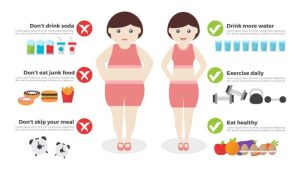
Weight Loss Programs with Exercise Plans offer a holistic approach to achieving sustainable weight management. This comprehensive guide explores various popular weight loss programs, detailing their dietary guidelines and potential drawbacks. We’ll then delve into creating effective exercise plans tailored to different fitness levels, emphasizing the importance of progressive overload and integrating physical activity into daily routines. Finally, we’ll address common challenges, provide motivational strategies, and highlight the crucial role of nutrition in achieving lasting results.
Understanding the synergy between diet and exercise is key to successful weight loss. This article provides practical tools and strategies, empowering you to make informed choices and embark on a healthy weight loss journey. From designing personalized workout routines to incorporating mindful eating habits, we aim to equip you with the knowledge and resources to reach your goals safely and effectively.
Types of Weight Loss Programs
Choosing a weight loss program can feel overwhelming, given the sheer number of options available. Understanding the differences between various approaches is crucial for selecting a plan that aligns with your lifestyle, health status, and personal preferences. This section will explore several popular programs, comparing their effectiveness and potential drawbacks.
Popular Weight Loss Programs: A Comparison
The following table summarizes key aspects of three popular weight loss programs: Ketogenic Diet, Intermittent Fasting, and the Mediterranean Diet. It’s important to note that individual results may vary, and consulting a healthcare professional before starting any new diet is highly recommended.
| Program Type | Dietary Guidelines & Restrictions | Effectiveness | Potential Drawbacks |
|---|---|---|---|
| Ketogenic Diet | Very low carbohydrate intake (typically under 50 grams per day), high fat intake (70-80% of daily calories), moderate protein intake. Restricts most fruits, grains, legumes, and starchy vegetables. | Can lead to significant short-term weight loss due to rapid water loss and fat burning. Long-term effectiveness varies and requires strict adherence. | Potential for nutrient deficiencies, constipation, “keto flu” (headaches, fatigue, nausea), and kidney stones in susceptible individuals. May not be suitable for everyone, including those with certain medical conditions. |
| Intermittent Fasting | Cycles between periods of eating and voluntary fasting. Popular methods include the 16/8 method (fasting for 16 hours, eating within an 8-hour window) or the 5:2 diet (eating normally for 5 days and restricting calories to 500-600 on 2 non-consecutive days). | Can be effective for weight loss, potentially improving insulin sensitivity and promoting fat burning. Effectiveness depends on adherence and overall calorie intake. | May lead to hunger, fatigue, difficulty concentrating, and potential for disordered eating if not approached carefully. May not be suitable for pregnant or breastfeeding women, individuals with certain medical conditions, or those with a history of eating disorders. |
| Mediterranean Diet | Emphasizes fruits, vegetables, whole grains, legumes, nuts, seeds, olive oil, and fish. Limits red meat, processed foods, and added sugars. | Associated with numerous health benefits, including weight loss, reduced risk of heart disease, and improved cognitive function. Generally considered a sustainable and healthy approach to weight management. | Requires some meal planning and preparation. May not be as effective for rapid weight loss as some other diets, but offers long-term health benefits. |
Dietary Guidelines and Restrictions: Detailed Explanation
Each program necessitates a detailed understanding of its dietary components to ensure successful implementation and to minimize potential risks. For example, the Ketogenic diet’s emphasis on fat necessitates careful selection of healthy fats to avoid excess saturated and trans fats. Conversely, the Mediterranean diet’s focus on whole foods necessitates careful planning to ensure adequate calorie intake and prevent nutrient deficiencies.
Intermittent fasting requires a careful understanding of timing and portion control within the eating window to prevent overconsumption. Detailed guidance from a registered dietitian or healthcare professional is strongly recommended for all three programs.
Designing Effective Exercise Plans
Creating a well-structured exercise plan is crucial for achieving weight loss goals safely and effectively. A good plan balances cardiovascular exercise, strength training, and flexibility work, tailored to individual fitness levels and progressively increasing in intensity. Ignoring any of these elements can hinder progress and potentially lead to injury.Effective exercise plans consider individual fitness levels, goals, and potential limitations.
Intensity and duration should be adjusted accordingly, with a focus on gradual progression to avoid burnout and injury. Consistency is key, but so is listening to your body and allowing for rest and recovery.
Sample Weekly Exercise Plans
The following sample plans illustrate how to incorporate cardio, strength training, and flexibility exercises at beginner, intermediate, and advanced levels. Remember to consult your doctor before starting any new exercise program.
- Beginner (3 days/week):
- Day 1: 20 minutes brisk walking, 10 minutes bodyweight exercises (squats, push-ups against a wall, lunges), 5 minutes stretching.
- Day 2: Rest or active recovery (light walk).
- Day 3: 25 minutes cycling, 10 minutes bodyweight exercises (modified planks, glute bridges, calf raises), 5 minutes stretching.
- Day 4: Rest or active recovery.
- Day 5: 20 minutes brisk walking, 10 minutes bodyweight exercises (squats, push-ups against a wall, lunges), 5 minutes stretching.
- Day 6 & 7: Rest.
- Intermediate (4 days/week):
- Day 1: 30 minutes jogging, 20 minutes strength training (using light weights or resistance bands, focusing on all major muscle groups), 10 minutes stretching.
- Day 2: Rest or active recovery.
- Day 3: 30 minutes swimming or HIIT (High-Intensity Interval Training), 20 minutes strength training (different muscle groups than Day 1), 10 minutes stretching.
- Day 4: Rest or active recovery.
- Day 5: 30 minutes elliptical training, 20 minutes core exercises (planks, crunches, Russian twists), 10 minutes stretching.
- Day 6 & 7: Rest.
- Advanced (5-6 days/week):
- Day 1: 45 minutes running, 30 minutes strength training (moderate to heavy weights, focusing on compound exercises), 15 minutes stretching and foam rolling.
- Day 2: Cross-training activity (e.g., rock climbing, hiking, CrossFit), 15 minutes stretching.
- Day 3: 45 minutes cycling or interval training, 30 minutes strength training (different muscle groups than Day 1), 15 minutes stretching and foam rolling.
- Day 4: Rest or active recovery.
- Day 5: 45 minutes swimming or HIIT, 30 minutes strength training (focus on core and stability), 15 minutes stretching and foam rolling.
- Day 6: Rest or active recovery. Day 7: Rest.
Adjusting Exercise Intensity and Duration
Exercise intensity and duration should be adjusted based on individual fitness levels and goals. Beginners should start with lower intensity and shorter durations, gradually increasing both as fitness improves. For example, a beginner might start with 20 minutes of walking at a moderate pace, while an advanced individual might run for 45 minutes at a faster pace. The same principle applies to strength training; beginners should use lighter weights and fewer repetitions, while advanced individuals can use heavier weights and more repetitions.
Monitoring heart rate and perceived exertion can help individuals gauge intensity appropriately.
Progressive Overload in Exercise Programming
Progressive overload is the gradual increase in exercise intensity, duration, or frequency over time. This is crucial for continued improvement and preventing plateaus. It can involve increasing the weight lifted, the number of repetitions or sets performed, the duration of cardio sessions, or the intensity of the workout. For example, if someone can comfortably do 10 push-ups, they should gradually work towards doing 12, then 15, and so on.
Failing to progressively overload prevents the body from adapting and getting stronger, leading to stagnation in progress. This principle applies to all aspects of fitness, from cardiovascular training to strength training and flexibility exercises.
Integrating Exercise into Daily Life
Incorporating regular physical activity into a busy lifestyle can seem daunting, but with a little planning and creativity, it’s entirely achievable. The key is to find ways to weave exercise seamlessly into your daily routine rather than viewing it as a separate, time-consuming task. Small, consistent changes can accumulate significant health benefits over time.Making exercise a regular part of your day requires a strategic approach.
It’s not about finding large blocks of time for intense workouts, but about accumulating smaller bursts of activity throughout the day. This approach is more sustainable and less likely to lead to burnout. Prioritizing movement and finding enjoyable activities are crucial for long-term success.
Practical Tips for Incorporating Regular Exercise into Busy Schedules
Finding time for exercise often hinges on effective time management and prioritizing physical activity. One effective strategy is to schedule workouts like any other important appointment. This proactive approach ensures that exercise is not overlooked amidst other commitments. Another helpful tip is to break down larger workout goals into smaller, more manageable sessions. Instead of aiming for a single hour-long session, consider three 20-minute sessions throughout the day.
This approach makes exercise feel less overwhelming and more attainable. Finally, consider incorporating exercise into existing routines. For example, walk or cycle during your lunch break or take the stairs instead of the elevator.
Creative Ideas for Staying Active Throughout the Day
Beyond formal workouts, many opportunities exist to increase daily activity. Taking short walks during phone calls or while listening to podcasts can accumulate significant steps over a day. Similarly, opting for active chores such as gardening or cleaning can contribute to overall fitness. Standing up regularly at work or during breaks helps burn more calories than prolonged sitting.
If you have a dog, incorporate regular walks into your routine – this benefits both you and your pet. Even simple activities like dancing while doing household chores or engaging in active playtime with children can boost your daily activity levels.
Benefits of Incorporating Activities like Walking, Cycling, or Taking the Stairs
Choosing active transportation options like walking or cycling instead of driving offers numerous benefits. These activities improve cardiovascular health, reduce stress, and contribute to weight management. Walking, in particular, is a low-impact exercise suitable for most fitness levels and can be easily integrated into daily life. Cycling offers similar benefits while covering greater distances. Taking the stairs instead of the elevator provides a quick burst of cardiovascular exercise and strengthens leg muscles.
These seemingly small choices can collectively contribute significantly to your overall fitness and well-being, especially when consistently practiced.
Nutrition and Weight Loss
Nutrition plays a pivotal role in successful weight loss. While exercise burns calories and builds muscle, a well-planned diet provides the necessary fuel for workouts and supports overall metabolic function, ultimately determining whether you lose, maintain, or gain weight. A balanced approach that combines exercise and mindful eating is crucial for sustainable weight management.
The Role of Nutrition in Weight Loss
Effective weight loss hinges on creating a calorie deficit—consuming fewer calories than your body expends. Nutrition directly influences this equation. By choosing nutrient-dense foods, you can feel full and satisfied on fewer calories, reducing cravings and making it easier to stick to your weight loss plan. Conversely, a diet high in processed foods, sugary drinks, and unhealthy fats often leads to excessive calorie intake, hindering weight loss efforts.
Furthermore, adequate intake of essential vitamins and minerals supports energy levels and overall health, enhancing your ability to engage in regular exercise.
Sample Meal Plan for Weight Loss
This sample meal plan provides approximately 1500-1800 calories, a range suitable for many adults aiming for weight loss. Calorie needs vary based on factors like age, sex, activity level, and metabolism. It’s crucial to adjust portion sizes and food choices to meet your individual requirements. Consult a registered dietitian or nutritionist for personalized guidance.
| Meal | Food | Approximate Calories |
|---|---|---|
| Breakfast | Oatmeal (1/2 cup dry) with berries (1/2 cup) and a sprinkle of nuts (1/4 cup) | 300-350 |
| Lunch | Large salad with grilled chicken breast (4 oz), mixed greens, vegetables, and a light vinaigrette dressing. | 400-450 |
| Dinner | Baked salmon (4 oz) with roasted vegetables (1 cup) and a small portion of brown rice (1/2 cup cooked). | 450-500 |
| Snacks (2) | Greek yogurt (1 cup) with fruit, or a handful of almonds (1/4 cup) | 200-300 |
Importance of Balanced Macronutrient Intake
Maintaining a balanced intake of carbohydrates, proteins, and fats is essential for successful and healthy weight loss. Carbohydrates provide energy, proteins are crucial for building and repairing tissues (including muscle), and healthy fats support hormone production and overall bodily functions.
A balanced macronutrient ratio might typically involve 40-50% carbohydrates, 20-30% protein, and 20-30% fat, but individual needs vary greatly.
Restricting any macronutrient group excessively can lead to nutrient deficiencies and metabolic imbalances, potentially hindering weight loss or negatively impacting your health. For example, drastically reducing carbohydrate intake might lead to fatigue and reduced workout performance, while insufficient protein intake can impair muscle growth and recovery. A well-balanced approach ensures you have the energy and nutrients needed to support both your exercise routine and overall well-being.
Addressing Challenges and Plateaus
Weight loss is a journey, not a race, and it’s common to encounter obstacles along the way. Understanding these challenges and developing strategies to overcome them is crucial for long-term success. This section will address common hurdles, plateau solutions, and motivational techniques to maintain momentum.Weight loss journeys often involve periods of frustration and setbacks. These challenges can significantly impact motivation and adherence to the program.
Successfully navigating these difficulties requires a proactive approach, incorporating both mental and physical strategies.
Common Challenges During Weight Loss
Many individuals experience difficulties such as decreased motivation, time constraints, social pressures, and lack of support. Addressing these challenges requires a multifaceted approach, incorporating realistic goal setting, time management techniques, and the development of a strong support system. For example, someone with a busy schedule might find it difficult to incorporate exercise. A solution could be to schedule short, high-intensity workouts throughout the week instead of longer sessions.
Similarly, social pressures to eat unhealthy foods can be countered by having prepared healthy alternatives on hand and politely declining tempting options.
Strategies for Overcoming Weight Loss Plateaus
Weight loss plateaus are periods where the scale doesn’t budge despite consistent efforts. This often occurs due to several factors, including hormonal changes, decreased metabolism, or simply reaching a new metabolic equilibrium. Overcoming a plateau often requires strategic adjustments to the exercise plan and diet. For instance, incorporating varied exercises, such as strength training to build muscle mass which increases metabolism, can help break the plateau.
Additionally, slight adjustments to caloric intake, such as a temporary reduction of 100-200 calories per day, or cycling carbohydrate intake, can stimulate renewed weight loss. A plateau isn’t a failure; it’s an opportunity to reassess and refine the approach.
Motivational Techniques for Maintaining Consistency, Weight Loss Programs with Exercise Plans
Maintaining consistency requires sustained motivation. This can be achieved through various strategies, including setting realistic and achievable goals, celebrating small victories, and rewarding oneself for progress. Tracking progress visually, such as using a chart or app, provides a tangible record of achievements, reinforcing motivation. Finding an accountability partner or joining a support group can provide encouragement and reduce feelings of isolation.
Remember, setbacks are part of the process; focusing on the long-term goal and celebrating progress, rather than dwelling on setbacks, is key to sustained commitment. For example, instead of focusing on the overall weight loss goal, celebrate reaching smaller milestones, such as fitting into a smaller size of clothing or successfully completing a week of consistent exercise.
General Fitness Guides, Home Workouts, and Related Activities: Weight Loss Programs With Exercise Plans
General fitness guides offer a structured approach to improving physical health and well-being. They provide valuable information on various exercise types, nutrition, and overall lifestyle changes, empowering individuals to achieve their fitness goals safely and effectively. These guides are particularly useful for beginners who may feel overwhelmed by the sheer volume of information available online or in fitness centers.
Comprehensive fitness guides typically include a needs assessment, personalized workout plans, nutritional advice, and strategies for overcoming common obstacles. They often incorporate elements of progressive overload, ensuring continuous improvement and preventing plateaus. The benefits extend beyond weight loss, encompassing improved cardiovascular health, increased strength and flexibility, enhanced mood, and reduced stress levels.
Home Workout Routines for Different Fitness Levels
Designing effective home workout routines requires careful consideration of individual fitness levels and goals. Beginners should focus on building a foundation of strength and endurance, gradually increasing intensity and duration. Intermediate and advanced individuals can incorporate more challenging exercises and higher intensity intervals.
- Beginner: Bodyweight exercises like squats, push-ups (against a wall initially), lunges, planks, and walking for 30 minutes.
- Intermediate: Adding resistance bands, incorporating more challenging variations of bodyweight exercises (e.g., incline push-ups, jump squats), and longer duration cardio sessions (e.g., 45-60 minutes of jogging or cycling).
- Advanced: Incorporating advanced bodyweight exercises (e.g., pistol squats, handstand push-ups), high-intensity interval training (HIIT), and strength training with heavier weights or resistance.
Benefits of Various Fitness Activities
A balanced fitness routine often includes a variety of activities to target different aspects of physical and mental well-being. The following table summarizes the benefits of several popular fitness modalities.
| Activity | Benefits |
|---|---|
| Yoga | Improved flexibility, balance, strength, stress reduction, increased mindfulness. |
| Meditation | Stress reduction, improved focus and concentration, emotional regulation, enhanced self-awareness. |
| Strength Training | Increased muscle mass and strength, improved bone density, boosted metabolism, enhanced athletic performance. |
| Cardio Workouts | Improved cardiovascular health, weight management, increased endurance, stress reduction. |
| Pilates | Improved core strength, flexibility, posture, body awareness, injury prevention. |
| Stretching | Improved flexibility, range of motion, reduced muscle soreness, injury prevention, stress relief. |
| Outdoor Fitness Adventures | Improved cardiovascular health, strength, and endurance, exposure to nature, stress reduction, social interaction (if done in groups). |
Fitness Gadgets and Gear: Advantages and Disadvantages
Various fitness gadgets and gear can enhance workout effectiveness and motivation. However, it’s crucial to weigh their advantages and disadvantages before investing.
For example, fitness trackers offer valuable data on activity levels, sleep patterns, and heart rate, but they can be expensive and their accuracy may vary. Smartwatches provide similar functionalities with added features like music control and contactless payments, but battery life can be a concern. Resistance bands are affordable and portable, offering a convenient way to add resistance to workouts, but they may not be suitable for all exercises or fitness levels.
Investing in high-quality workout shoes is crucial for injury prevention, but they can be expensive.
Designing and Implementing Effective Fitness Challenges and Plans
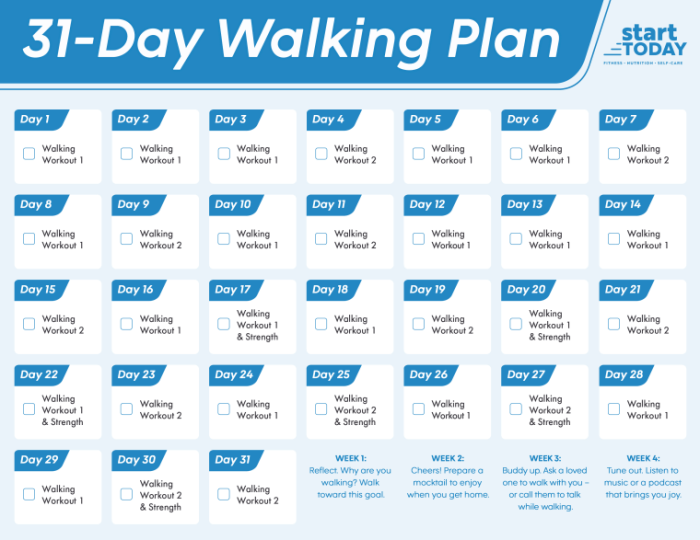
Effective fitness challenges and plans should be personalized, achievable, and sustainable. They should incorporate SMART goals (Specific, Measurable, Achievable, Relevant, Time-bound), and progressively increase in difficulty to prevent plateaus. Regular monitoring of progress and adjustments to the plan are essential for long-term success. For example, a 30-day challenge could involve gradually increasing the duration of daily walks, incorporating strength training twice a week, and tracking progress using a fitness tracker or journal.
A longer-term plan might include setting a weight loss goal, outlining a specific exercise routine and dietary plan, and scheduling regular check-ins with a personal trainer or nutritionist.
Safety and Considerations
Embarking on a weight loss journey that incorporates exercise requires a proactive approach to safety. Prioritizing your well-being is paramount, and understanding potential risks and implementing preventative measures is crucial for a successful and injury-free experience. Ignoring these aspects can lead to setbacks and potentially serious health complications.Before starting any weight loss program or exercise regimen, consulting a healthcare professional is essential.
This consultation allows for a personalized assessment of your current health status, identifying any pre-existing conditions that might influence your choice of exercises and intensity levels. This step is vital in preventing unforeseen complications and ensuring the program aligns with your individual capabilities and limitations.
Potential Risks and Precautions Associated with Various Exercise Types
Different exercise types carry varying levels of risk. High-impact activities like running or jumping jacks, for example, place significant stress on joints, increasing the risk of injuries such as sprains or fractures. Conversely, low-impact activities such as swimming or cycling are generally gentler on the body, minimizing joint stress. Strength training, while beneficial, carries a risk of muscle strains or tears if improper form is used.
Understanding these risks allows for informed decision-making regarding exercise selection and intensity. For instance, individuals with pre-existing knee problems might benefit from cycling or swimming rather than running. Those new to strength training should start with lighter weights and focus on proper form before increasing the load.
Guidelines for Proper Exercise Form and Technique
Maintaining proper exercise form and technique is crucial in minimizing the risk of injury. This involves understanding the correct posture, movement patterns, and breathing techniques for each exercise. For example, during squats, maintaining a neutral spine and engaging the core muscles prevents back injuries. Similarly, proper lifting techniques during weight training, such as keeping the back straight and bending at the knees, prevent strains and tears.
Incorrect form can lead to muscle imbalances, joint pain, and even serious injuries. It is advisable to seek guidance from a certified fitness professional to learn proper techniques and receive personalized feedback. Many online resources also offer visual demonstrations of proper form for various exercises, but professional guidance is highly recommended, especially for beginners. Taking the time to master proper form is an investment in your long-term health and success in your weight loss journey.
Ultimately, achieving sustainable weight loss hinges on a balanced approach that integrates effective exercise plans with mindful nutrition. This guide has presented a range of options, from diverse weight loss programs to adaptable exercise routines, empowering you to choose the path best suited to your individual needs and preferences. Remember to prioritize consistency, listen to your body, and celebrate your progress along the way.
Consult with a healthcare professional before making significant changes to your diet or exercise regimen.
FAQ Compilation
How long does it take to see results from a weight loss program?
Results vary greatly depending on individual factors like metabolism, starting weight, and adherence to the program. It’s important to focus on consistent effort rather than solely on the timeline.
Can I lose weight without exercise?
While dietary changes can lead to weight loss, combining exercise with a healthy diet maximizes results and improves overall health and fitness.
What if I experience a weight loss plateau?
Plateaus are common. Consider adjusting your diet, increasing exercise intensity, or consulting a professional for personalized guidance.
Are there any risks associated with rapid weight loss?
Yes, rapid weight loss can be detrimental to health. A gradual, sustainable approach is always recommended.