Meditation for Self-Discovery A Journey Inward
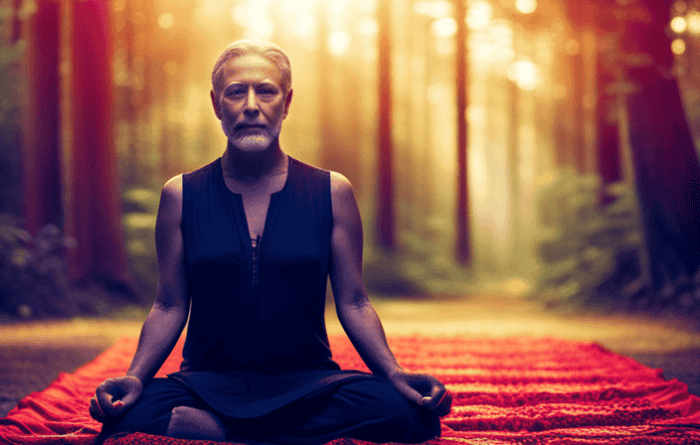
Meditation for Self-Discovery sets the stage for a transformative journey of inner exploration. This practice, rooted in ancient wisdom, offers a powerful pathway to understanding oneself on a deeper level. By quieting the incessant chatter of the mind, we unlock access to our intuition, emotions, and deepest desires, fostering personal growth and a heightened sense of self-awareness. This exploration delves into various meditation techniques, practical steps to establish a consistent practice, and the integration of mindfulness into daily life for enhanced well-being.
We’ll examine different meditation styles, from mindfulness to transcendental meditation, highlighting their unique benefits for self-discovery. The guide also provides a structured approach to starting your meditation journey, addressing common challenges and offering strategies for sustained practice. Ultimately, the goal is to cultivate a deeper understanding of yourself and your place in the world, leading to a more fulfilling and meaningful life.
Introduction to Meditation for Self-Discovery
Meditation, at its core, is a practice of training the mind to focus and redirect attention. Its principles revolve around cultivating awareness of the present moment, without judgment, and fostering a calm and peaceful state of mind. This involves techniques like focusing on the breath, bodily sensations, or guided imagery. The goal isn’t to empty the mind, but rather to observe thoughts and feelings without getting carried away by them.The connection between meditation and self-discovery is profound.
By quieting the mental chatter, we create space to access deeper levels of awareness and understanding. This allows us to observe our thoughts, emotions, and behaviors with greater clarity, revealing patterns and underlying beliefs that may be hindering our personal growth. In essence, meditation provides a pathway to introspection and self-reflection, leading to a more authentic and fulfilling life.
Meditation’s Facilitation of Personal Growth
Regular meditation practice can significantly contribute to personal growth in various ways. For example, it can reduce stress and anxiety, leading to improved emotional regulation and resilience. By becoming more aware of our emotional responses, we can learn to manage them more effectively, rather than reacting impulsively. This increased self-awareness also facilitates improved relationships, as we become better at understanding our own needs and communicating them clearly, and also understanding the perspectives of others.
Furthermore, meditation can enhance focus and concentration, improving productivity and cognitive function in daily life. Studies have shown that long-term meditation practice can even lead to structural changes in the brain, enhancing areas associated with emotional regulation and self-awareness. The benefits extend beyond stress reduction; it fosters a deeper understanding of oneself, leading to greater self-acceptance and compassion.
Types of Meditation for Self-Discovery

Embarking on a journey of self-discovery through meditation involves exploring various techniques, each offering unique pathways to introspection and self-awareness. The choice of technique often depends on individual preferences and goals, but understanding the nuances of each method can significantly enhance the effectiveness of the practice.Different meditation techniques facilitate different aspects of self-discovery. Some focus on observing thoughts and emotions without judgment, while others utilize visualization or guided imagery to access the subconscious mind.
The effectiveness of each approach varies depending on the individual and their specific needs.
Mindfulness Meditation
Mindfulness meditation centers on cultivating present moment awareness. Practitioners focus on their breath, bodily sensations, or sounds without judgment, allowing thoughts and emotions to arise and pass without getting carried away. This process fosters self-compassion and a deeper understanding of one’s internal landscape. The benefits include increased self-awareness, reduced stress, and improved emotional regulation. Regular practice can lead to a more grounded and accepting relationship with oneself and the world.
For example, noticing the sensations of each breath can reveal patterns of tension or restlessness, offering insights into one’s emotional state.
Transcendental Meditation
Transcendental Meditation (TM) utilizes a personalized mantra, a silently repeated sound or word, to quiet the mind and access deeper states of consciousness. This technique aims to transcend the chatter of the conscious mind, allowing for a more profound connection with one’s inner self. The benefits of TM include stress reduction, improved focus, and increased creativity. Studies suggest that regular TM practice can lead to structural changes in the brain, promoting emotional balance and overall well-being.
For instance, a practitioner might discover previously unrecognized anxieties or limiting beliefs surfacing during the quiet moments of TM, leading to a greater understanding of their root causes.
Guided Imagery Meditation, Meditation for Self-Discovery
Guided imagery meditation involves using visualization and suggestion to explore the subconscious mind. A guided meditation typically involves a facilitator who leads the practitioner through various scenarios or visualizations, promoting relaxation and self-reflection. This technique can be particularly effective in uncovering repressed emotions or identifying limiting beliefs. The benefits include increased self-acceptance, improved emotional processing, and enhanced creativity. For example, a guided meditation might involve visualizing a peaceful scene, allowing the practitioner to connect with feelings of calm and serenity, while simultaneously uncovering subconscious anxieties or fears that might manifest as physical sensations or emotional responses within the visualization.
Practical Steps to Begin a Self-Discovery Meditation Practice
Embarking on a self-discovery meditation journey can feel daunting, but with a structured approach and consistent effort, it becomes a rewarding experience. This section provides a practical guide for beginners, outlining a step-by-step process to establish a daily meditation practice and strategies to overcome common challenges.
Establishing a Daily Meditation Routine
Creating a consistent daily meditation practice requires planning and commitment. Begin by choosing a time that best suits your schedule and lifestyle. Consistency is key; even short, regular sessions are more beneficial than infrequent, longer ones. Find a quiet space free from distractions, where you feel comfortable and relaxed. This could be a dedicated meditation corner, your bedroom, or even outdoors in nature.
Ensure your posture is comfortable but upright, promoting alertness and preventing drowsiness.
Sample Meditation Schedules for Various Time Commitments
The duration of your meditation sessions can be adjusted to fit your available time. Here are some sample schedules:
Beginner (5-10 minutes): Start with 5 minutes daily, gradually increasing the duration as you feel comfortable. This schedule is ideal for those new to meditation or with limited time.
Intermediate (15-20 minutes): Once you’ve established a consistent 10-minute practice, consider extending it to 15-20 minutes. This allows for deeper exploration and relaxation.
Advanced (30 minutes or more): For those seeking a more profound meditative experience, aim for 30 minutes or longer. This can be broken into two 15-minute sessions if needed.
Overcoming Common Meditation Obstacles
Many beginners experience challenges such as restlessness, racing thoughts, or difficulty focusing. These are normal and do not indicate failure. Developing strategies to manage these obstacles is crucial for maintaining a consistent practice.
Dealing with Restlessness: Acknowledge the restlessness without judgment. Gently redirect your attention back to your breath or chosen focus. Physical discomfort can also contribute to restlessness; adjust your posture as needed.
Managing Racing Thoughts: Thoughts are natural; don’t fight them. Observe them as clouds passing in the sky, acknowledging their presence without engaging with their content. Gently guide your attention back to your breath or chosen focus point.
Improving Focus: Start with shorter meditation sessions. Use guided meditations or focus on a specific object or mantra to aid concentration. Regular practice will gradually enhance your ability to focus.
Integrating Meditation into Daily Life for Enhanced Self-Awareness
Integrating meditation into your daily routine can significantly enhance self-awareness and improve various aspects of your life. However, finding time and maintaining consistency can be challenging, especially with busy schedules. The key is to develop practical strategies and cultivate a patient, understanding approach to your practice.
Strategies for Incorporating Meditation into a Busy Lifestyle
Finding even a few minutes each day for meditation can yield significant benefits. Instead of aiming for lengthy sessions, start with shorter, more manageable periods. Consistency is far more valuable than duration. Consider incorporating meditation into existing routines, such as during your morning commute, while waiting for appointments, or before bedtime. Many individuals find that even five minutes of focused attention can make a noticeable difference in their daily experience.
Experiment with different times of day to discover what best suits your schedule and energy levels.
The Importance of Consistency and Patience in Meditation Practice
Consistency is crucial for reaping the rewards of meditation. Regular practice, even if brief, allows you to develop a deeper connection with your inner self and cultivate a more mindful approach to life. However, it’s essential to approach your practice with patience and self-compassion. There will be days when your mind wanders, and that’s perfectly normal. The goal is not to achieve a state of perfect stillness, but to gently redirect your attention back to your breath or chosen focus when distractions arise.
Remember that progress is gradual, and celebrating small victories along the way can be highly motivating.
Meditation’s Impact on Daily Life
Meditation can positively influence many aspects of daily life. For example, regular practice can significantly reduce stress and anxiety levels by training the mind to respond to challenging situations with greater equanimity. It can also improve focus and concentration, leading to increased productivity and improved performance in various areas of life. Furthermore, meditation can enhance self-compassion, fostering healthier relationships and communication skills.
Studies have shown that individuals who regularly meditate often report improved sleep quality, increased emotional regulation, and a greater sense of overall well-being. For instance, a study published in the Journal of Consulting and Clinical Psychology demonstrated a significant reduction in stress hormones among participants who engaged in a daily mindfulness meditation practice.
Advanced Techniques for Deeper Self-Discovery Through Meditation
Moving beyond the foundational practices, advanced meditation techniques offer profound avenues for self-discovery, allowing us to delve into the deeper recesses of our minds and uncover hidden aspects of ourselves. These techniques require dedicated practice and a willingness to confront both positive and challenging aspects of our inner world. This section explores some of these advanced methods, emphasizing their potential for personal growth and transformation.
Exploring the Subconscious Mind Through Advanced Meditation Techniques
Advanced techniques such as dream yoga, guided imagery, and active meditation facilitate exploration of the subconscious. Dream yoga involves consciously engaging with dreams, interpreting symbols, and gaining insights into unresolved emotional patterns. Guided imagery utilizes visualizations to access subconscious material, allowing the practitioner to explore deeply held beliefs and emotions in a safe and controlled environment. Active meditation, which involves focusing on physical sensations or internal dialogues, can reveal subtle emotional responses and subconscious biases.
For instance, noticing a recurring negative thought pattern during active meditation might highlight a limiting belief that needs addressing.
Identifying and Addressing Limiting Beliefs Through Meditation
Meditation provides a space to observe limiting beliefs without judgment. Cognitive restructuring techniques, integrated with mindfulness meditation, allow us to identify and challenge these beliefs. By observing the thoughts and emotions associated with a limiting belief, we can begin to detach from its power. For example, if the belief “I am not good enough” arises, the practitioner can observe the feelings of inadequacy, examine the evidence supporting and refuting the belief, and consciously replace it with a more empowering affirmation, such as “I am capable and worthy.” Repeated practice reinforces this shift in perspective.
Enhancing Self-Compassion and Self-Acceptance Through Meditation
Self-compassion meditation involves cultivating kindness and understanding towards oneself, particularly during moments of suffering or perceived failure. This practice involves acknowledging one’s pain without judgment, recognizing that suffering is a shared human experience, and offering oneself the same kindness and support one would offer a friend in a similar situation. Loving-kindness meditation, which involves extending feelings of compassion to oneself and others, can further enhance self-acceptance by fostering a sense of connection and belonging.
Visualizing oneself surrounded by a warm, loving light can be a powerful tool in cultivating self-compassion. Regular practice of these techniques can significantly improve self-esteem and reduce self-criticism.
Embarking on a journey of self-discovery through meditation is a deeply personal and rewarding experience. Through consistent practice and exploration of different techniques, you can unlock profound insights into your thoughts, emotions, and behaviors. This journey fosters self-compassion, reduces stress, and enhances overall well-being, leading to a more authentic and fulfilling life. Remember that the path to self-discovery is unique to each individual; embrace the process with patience and self-acceptance, and allow meditation to guide you towards a greater understanding of yourself.
Expert Answers
How long should I meditate each day?
Start with even just 5-10 minutes daily and gradually increase the duration as you become more comfortable.
What if my mind wanders during meditation?
It’s perfectly normal! Gently redirect your focus back to your breath or chosen object of meditation without judgment.
Is meditation right for everyone?
While generally beneficial, individuals with certain mental health conditions should consult their healthcare provider before starting a meditation practice.
What are the potential side effects of meditation?
Some may experience initial discomfort or heightened emotions. These are usually temporary and subside with continued practice.


