Home Gym Equipment Your Fitness Journey Starts Here
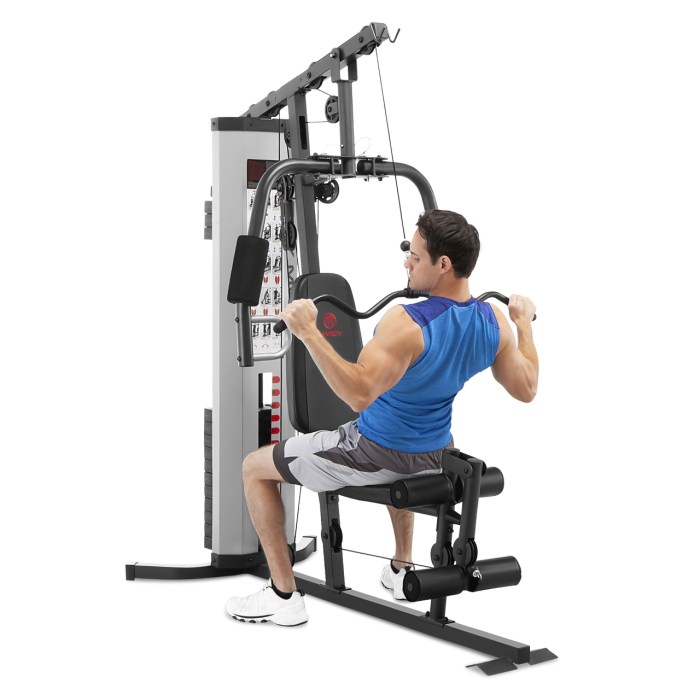
Home Gym Equipment offers unparalleled convenience and flexibility for achieving fitness goals. This guide delves into the various types of equipment available, from cardio machines to strength training tools, providing insights into selection, budgeting, setup, and maintenance. We’ll explore how to create a safe, effective, and motivating home gym tailored to your individual needs and fitness level, covering everything from workout routines to incorporating fitness gadgets and outdoor activities.
Whether you’re a seasoned athlete or just starting your fitness journey, building a home gym can transform your approach to exercise. We’ll cover essential considerations like space planning, budget allocation, and choosing the right equipment to maximize your results. We’ll also address safety protocols and maintenance strategies to ensure a long-lasting and productive home workout experience.
Budgeting for Home Gym Equipment
Creating a home gym is a fantastic investment in your health and well-being, but it’s crucial to plan your budget carefully to avoid overspending or compromising on essential equipment. A well-defined budget ensures you acquire the necessary tools to achieve your fitness goals without unnecessary financial strain. This section will guide you through the process of creating a realistic budget for your home gym.Setting a realistic budget involves considering your fitness goals, available space, and financial resources.
Begin by defining your fitness objectives. Are you aiming for strength training, cardiovascular fitness, flexibility, or a combination? Your goals will dictate the type and quantity of equipment needed. Next, assess your available space. A small apartment will require a more compact setup than a dedicated home gym room.
Finally, determine how much you can comfortably spend without jeopardizing your financial stability. Remember to factor in potential additional costs beyond the initial purchase price.
Budget Breakdown for Different Fitness Levels
The cost of equipping a home gym varies significantly depending on your fitness level and ambitions. Below are sample budget breakdowns for beginner, intermediate, and advanced home gyms. These are estimates, and actual costs may vary based on brand, retailer, and sales.
| Fitness Level | Equipment | Estimated Cost (USD) |
|---|---|---|
| Beginner | Yoga mat, resistance bands, jump rope, adjustable dumbbells (20-40 lbs) | $200 – $400 |
| Intermediate | Adjustable dumbbells (50-80 lbs), weight bench, pull-up bar, exercise mat, kettlebell (20 lbs), foam roller | $800 – $1500 |
| Advanced | Power rack, barbell, weight plates (various weights), adjustable bench, pull-up bar, Olympic weight set, rowing machine, treadmill or stationary bike, plyometric box | $2500 – $5000+ |
Long-Term Costs of Home Gym Ownership
While the initial investment is substantial, the ongoing costs of maintaining and replacing home gym equipment should also be considered. These costs can include:
- Repair and maintenance: Regular maintenance, such as lubricating weight machines or replacing worn-out parts, can extend the lifespan of your equipment and prevent costly repairs. Budget for occasional minor repairs or professional maintenance if needed. For example, a worn-out pulley system on a cable machine might cost $50-$150 to repair.
- Replacement of parts: Certain components, like resistance bands or weight plates, may need replacing over time due to wear and tear. Plan for these replacements as part of your ongoing budget. For example, replacing a set of worn-out weight plates might cost $100-$200.
- Equipment upgrades: As your fitness goals evolve, you may find the need to upgrade your equipment. Budgeting for potential upgrades allows for a gradual expansion of your home gym without significant financial strain. For instance, upgrading from adjustable dumbbells to a full set of Olympic barbells could cost an additional $500-$1000.
- Storage solutions: If space is limited, investing in storage solutions like racks or shelves can be essential to keep your home gym organized and prevent damage to your equipment. This might cost an additional $100-$300 depending on your needs.
It’s wise to allocate a small percentage of your initial investment annually for maintenance and replacement costs. This proactive approach will help avoid unexpected expenses and ensure your home gym remains functional and safe for years to come.
Choosing the Right Equipment for Your Fitness Goals
Selecting the appropriate home gym equipment is crucial for achieving your fitness objectives. The effectiveness of your workouts hinges on choosing tools that directly support your goals, whether it’s weight loss, muscle gain, or improved flexibility. Failing to do so can lead to wasted time, money, and potentially even injury. This guide will help you navigate the process of selecting equipment based on your specific needs and fitness level.
Equipment Selection Based on Fitness Goals
Your fitness goals significantly influence the type of equipment you should prioritize. For weight loss, cardiovascular equipment like a treadmill, stationary bike, or elliptical trainer are essential. These machines help burn calories and improve cardiovascular health. Incorporating resistance training with dumbbells or resistance bands will also boost metabolism and build lean muscle mass, further aiding in weight loss.
For muscle building, focus on equipment that allows for progressive overload, such as adjustable dumbbells, a barbell set, and a weight bench. These pieces allow you to gradually increase the weight or resistance over time, stimulating muscle growth. To improve flexibility, consider incorporating yoga mats, resistance bands, and foam rollers into your home gym. These tools facilitate stretching and improve range of motion.
Equipment Selection Based on Fitness Level
The selection of equipment should also align with your current fitness level.Beginner: Beginners should start with basic equipment that is easy to use and learn. A good starting point includes resistance bands (offering adjustable resistance levels), a yoga mat, and a jump rope. These tools allow for a full-body workout with minimal risk of injury. Focus on mastering proper form before progressing to more advanced equipment.Intermediate: Intermediate fitness levels allow for the incorporation of more advanced equipment.
Adjustable dumbbells, a stability ball, and a kettlebell are excellent additions. These tools provide greater versatility and challenge, allowing for a more comprehensive workout routine. Focus on gradually increasing weight and intensity as strength and endurance improve.Advanced: Advanced fitness enthusiasts can incorporate more specialized equipment, such as a power rack, a barbell, weight plates, and potentially a cable machine.
These pieces allow for advanced strength training techniques and the ability to target specific muscle groups effectively. Remember that even advanced athletes should prioritize proper form and safety to avoid injuries.
Effective Home Workout Routines, Home Gym Equipment
Several effective home workout routines can be designed using various combinations of home gym equipment. The following are examples:Full Body Workout (Beginner): This routine utilizes resistance bands and a jump rope. It includes exercises like band rows, band bicep curls, band squats, jumping jacks, and high knees. This routine focuses on building a foundation of strength and endurance.Strength Training Routine (Intermediate): This routine utilizes adjustable dumbbells and a stability ball.
It incorporates exercises like dumbbell squats, dumbbell bench press, dumbbell rows, stability ball crunches, and stability ball push-ups. This routine focuses on building muscle mass and strength.Advanced Circuit Training: This routine utilizes a power rack, a barbell, and weight plates. It includes exercises like barbell squats, barbell bench press, barbell deadlifts, pull-ups, and dips. This routine focuses on building maximal strength and power.
This advanced routine requires prior experience with weight training and proper form. Always prioritize safety and consult with a fitness professional if needed.
Setting Up Your Home Gym
Creating a functional and safe home gym requires careful planning and execution. Consideration should be given to space, flooring, ventilation, and equipment organization to ensure a positive and productive workout experience. A well-designed home gym not only maximizes workout efficiency but also contributes to a more enjoyable and aesthetically pleasing home environment.
Space Considerations and Layout
Selecting a suitable location within your home is crucial. Ideally, choose a room with ample space to accommodate your equipment and allow for comfortable movement during exercises. Consider the dimensions of your chosen equipment and allow for sufficient clearance around each piece. A larger space allows for greater flexibility in workout routines and prevents feeling cramped. For example, a 10×12 foot room could comfortably house a treadmill, weight rack, and a yoga mat, while a smaller space may necessitate more careful planning and potentially require multi-functional equipment.
Measure your available space accurately before purchasing any equipment. Consider the flow of your workout; you might want to arrange your equipment in a sequence that mirrors your typical routine to avoid unnecessary movement between stations.
Flooring Options for Home Gyms
Appropriate flooring is essential for both safety and comfort. Hardwood floors, while aesthetically pleasing, can be hard on joints and may not provide sufficient cushioning during high-impact exercises. Rubber flooring mats or interlocking tiles are excellent options, offering shock absorption and protection against damage to your floor. These materials also provide a more stable and slip-resistant surface for weight training.
Consider the thickness of the flooring; thicker mats provide better cushioning, while thinner options are more portable and easier to install. For example, a 1/2 inch thick rubber mat is a good compromise between cushioning and ease of use.
Ventilation and Air Quality
Maintaining good ventilation is important to prevent overheating and ensure fresh air circulation during workouts. Open windows or use a fan to improve airflow, especially if your home gym is in a basement or other less ventilated area. Consider installing an air purifier to remove dust and airborne particles, which can be beneficial for those with allergies or respiratory sensitivities.
Adequate ventilation is crucial for maintaining a comfortable and healthy workout environment. For instance, a ceiling fan and an open window can significantly improve air circulation in a smaller space.
Organizing and Storing Home Gym Equipment
Efficient storage is key to maximizing your space and maintaining a tidy home gym. Utilize wall-mounted storage racks for weight plates, dumbbells, and other smaller equipment. Consider using vertical space with shelves or storage towers to store items out of the way. Invest in a storage rack designed for your equipment, ensuring that everything has a designated place.
This prevents clutter and makes it easier to find what you need during your workouts. Proper organization also enhances safety by preventing equipment from being accidentally knocked over. For example, a dedicated weight storage rack keeps weights organized and prevents them from rolling around the floor.
Creating a Motivating and Aesthetically Pleasing Environment
Consider the overall aesthetics of your home gym. A well-designed space can enhance motivation and make your workouts more enjoyable. Use paint colors that are energizing and inspiring. Adding mirrors can visually expand the space and allow you to monitor your form during exercises. Consider adding plants to create a more natural and calming atmosphere.
Personalize your space with motivational posters or artwork to create a space that inspires you to work out regularly. For example, a bright color scheme and motivational quotes can create a more positive workout atmosphere.
Home Gym Safety and Maintenance: Home Gym Equipment
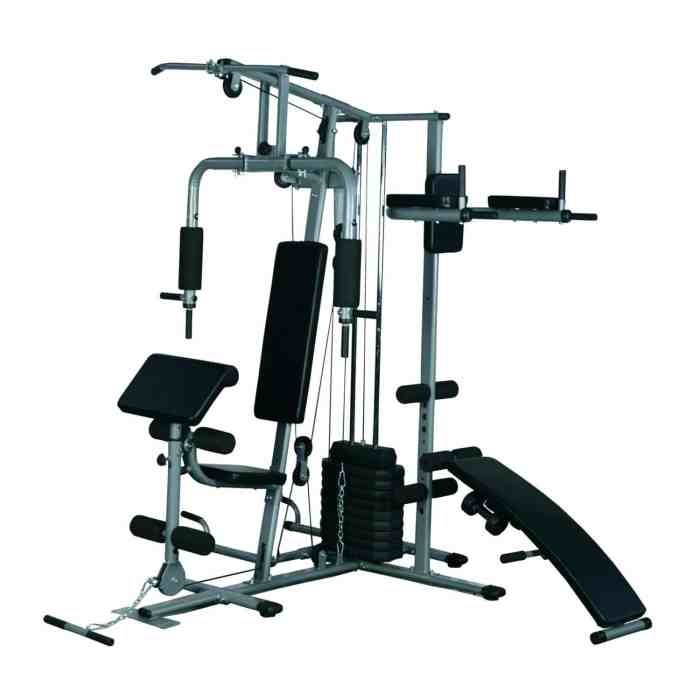
Creating a safe and well-maintained home gym is crucial for preventing injuries and ensuring the longevity of your equipment. Regular maintenance not only extends the lifespan of your investment but also contributes to a more effective and enjoyable workout experience. Neglecting safety and maintenance can lead to costly repairs, equipment failure, and potentially serious injuries.Proper safety precautions and maintenance routines vary depending on the type of equipment used.
This section details essential safety measures and maintenance procedures for common home gym equipment.
Safety Precautions for Common Home Gym Equipment
Safe usage of home gym equipment requires awareness and adherence to specific guidelines. Ignoring these guidelines significantly increases the risk of injury. Always prioritize safety over speed or intensity during your workouts.
- Weight Machines: Before using any weight machine, ensure all pins are securely in place and that the weight stack moves smoothly. Avoid using excessive weight that compromises your form or control. Always maintain a stable base and use spotters when needed, particularly with heavier weights.
- Free Weights (Dumbbells, Barbells): Use proper lifting techniques and start with lighter weights to perfect your form. Avoid bouncing weights or dropping them carelessly. Always use a weightlifting belt for heavier lifts to support your lower back. Ensure the area around you is clear of obstacles before beginning your exercises.
- Cardio Equipment (Treadmills, Ellipticals, Stationary Bikes): Before starting any cardio workout, check the equipment for any loose parts or malfunctions. Wear appropriate athletic shoes and clothing. Maintain a firm grip on handrails, especially during high-intensity workouts. Be mindful of your surroundings and avoid distractions while using the equipment.
- Resistance Bands: Inspect bands for tears or fraying before each use. Anchor bands securely to a sturdy object at the appropriate height to avoid injury. Maintain a controlled movement and avoid sudden jerky motions that could cause the band to snap.
Maintenance and Cleaning of Home Gym Equipment
Regular cleaning and maintenance are essential for keeping your equipment in optimal condition and preventing the spread of germs. This also helps extend the lifespan of your equipment.
- Weight Machines: Wipe down all surfaces with a damp cloth after each use. Regularly lubricate moving parts according to the manufacturer’s instructions. Inspect cables and pulleys for wear and tear.
- Free Weights: Wipe down dumbbells and barbells after each use to remove sweat and grime. Store weights neatly and avoid stacking them haphazardly, which can cause damage.
- Cardio Equipment: Wipe down all surfaces after each use, paying special attention to handrails and contact points. Follow the manufacturer’s instructions for lubrication and belt adjustments. Regularly check the belt tension and alignment.
- Resistance Bands: After each use, carefully coil and store resistance bands in a cool, dry place. Avoid exposure to direct sunlight or extreme temperatures.
Equipment Inspections and Repair Needs
Regular inspections are vital for identifying potential problems before they escalate into major issues. Early detection can prevent accidents and costly repairs.
Regularly inspect all equipment for loose bolts, frayed cables, or any signs of wear and tear. Address minor issues promptly to prevent them from becoming more significant problems. If you are unsure about how to perform repairs, consult a qualified technician.
Creating a successful home gym hinges on careful planning, informed decision-making, and a commitment to consistent exercise. By understanding the various equipment options, budgeting effectively, and prioritizing safety, you can build a personalized fitness sanctuary that empowers you to achieve your health and wellness goals. Remember that consistency and adapting your routine are key to long-term success. Embrace the journey, and enjoy the transformative power of your home gym!
FAQ Section
How much space do I need for a home gym?
The space needed depends on your equipment choices. A small corner can suffice for basic equipment, while a dedicated room is ideal for larger setups.
What’s the best type of flooring for a home gym?
Rubber flooring is excellent for shock absorption and protection of your floors. Consider interlocking mats for easy installation and cleaning.
How often should I clean my home gym equipment?
Wipe down equipment after each use with a disinfectant. Regular deeper cleaning is also recommended, depending on usage.
Can I finance home gym equipment?
Many retailers offer financing options for larger purchases. Check with your preferred supplier for details.
What are the warranty options for home gym equipment?
Warranty periods vary depending on the brand and equipment type. Check the manufacturer’s specifications before purchasing.