10-Minute Stretching Routine Your Guide to Flexibility
10-Minute Stretching Routine: Unlocking the power of flexibility doesn’t require hours at the gym. This concise routine offers a pathway to improved physical and mental well-being, fitting seamlessly into even the busiest schedules. We’ll explore the numerous benefits of regular stretching, detailing a beginner-friendly routine and offering variations for more advanced practitioners. Discover how a mere ten minutes a day can significantly impact your overall health and fitness.
This guide provides a comprehensive approach to incorporating stretching into your life, regardless of your current fitness level. We’ll cover everything from designing a personalized routine to integrating it effectively into a larger fitness plan, addressing specific needs and considerations for various individuals. Prepare to experience the transformative effects of consistent, mindful stretching.
Benefits of a 10-Minute Stretching Routine
A brief, daily stretching routine offers a surprising array of physical and mental benefits, making it a highly valuable addition to any lifestyle. Even ten minutes can significantly improve flexibility, reduce muscle soreness, and contribute to overall well-being. This section will explore the advantages of incorporating a 10-minute stretch into your day.
Physical Benefits of a 10-Minute Stretching Routine
Regular stretching, even in short bursts, improves flexibility and range of motion. This means easier movement throughout daily activities, from reaching for items on high shelves to participating in recreational sports. Improved flexibility also contributes to better posture, reducing the risk of back pain and other musculoskeletal issues. Furthermore, stretching helps increase blood flow to muscles, promoting faster recovery after exercise and reducing muscle soreness and stiffness.
A 10-minute session can effectively target major muscle groups, providing significant physical benefits.
Mental Benefits of a Daily 10-Minute Stretch
Beyond physical improvements, stretching offers valuable mental health benefits. The act of focusing on your body and breath during stretching promotes mindfulness and reduces stress. It can serve as a mini-meditation, allowing for a mental reset during a busy day. Stretching also releases endorphins, natural mood boosters that can alleviate feelings of anxiety and improve overall mood.
The sense of accomplishment from consistently engaging in self-care, even for just 10 minutes, can also contribute to improved self-esteem and a greater sense of well-being.
Effectiveness of a 10-Minute Stretch Versus Longer Sessions
While longer stretching sessions can be beneficial, a 10-minute routine is remarkably effective for maintaining flexibility and reducing muscle tension. The key is consistency. A short, daily stretch is more likely to be adhered to than a longer, less frequent session. The cumulative effect of daily stretching, even for a short duration, surpasses the benefits of infrequent, longer stretches.
Think of it like compound interest – small, consistent efforts yield significant long-term results. For individuals new to stretching, a 10-minute routine provides a manageable and sustainable entry point.
Comparison of Stretching with Other Fitness Activities
The following table compares the benefits of stretching with other popular fitness activities. Note that these are general comparisons and individual experiences may vary.
| Activity | Flexibility/Range of Motion | Muscle Strength/Endurance | Cardiovascular Health |
|---|---|---|---|
| Stretching | Excellent | Low | Low |
| Yoga | Excellent | Moderate | Moderate |
| Cardio (Running, Swimming) | Moderate | Moderate | Excellent |
| Strength Training (Weightlifting) | Moderate | Excellent | Low to Moderate |
Designing a 10-Minute Stretching Routine for Beginners
This routine is designed for individuals with little to no prior stretching experience. It focuses on major muscle groups and incorporates modifications to suit varying fitness levels. Remember to listen to your body and stop if you feel any sharp pain. Always consult your physician before starting any new exercise program.
Warm-up (2 minutes), 10-Minute Stretching Routine
A brief warm-up prepares your muscles for stretching, increasing blood flow and reducing the risk of injury. This phase should gently elevate your heart rate and increase your body temperature.
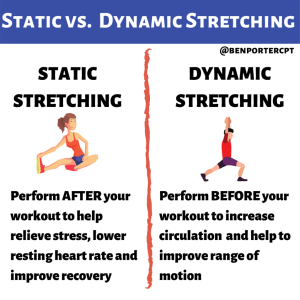
Begin with 30 seconds of light cardio, such as marching in place or gentle arm circles. Follow this with 30 seconds of dynamic stretches like arm swings (forward and backward), leg swings (forward and sideways), and torso twists. This dynamic movement prepares your muscles for the static stretches that follow.
Neck Stretches (1 minute)
Gentle neck stretches alleviate tension often accumulated from daily activities like computer work or driving.
Chin Tucks: Gently pull your chin towards your chest, holding for 15 seconds. Imagine you’re trying to make a double chin. Repeat 2-3 times. Modification: For those with neck pain, perform the stretch with less intensity, holding for shorter durations or only performing one repetition.
Neck Rotations: Slowly rotate your head clockwise in a circular motion, holding for 15 seconds.
Repeat in the counter-clockwise direction. Modification: If you experience discomfort, reduce the range of motion or perform smaller, more controlled rotations.
Shoulder Stretches (1 minute)
Shoulder stretches target muscles often tightened by desk work or repetitive movements.
Shoulder Rolls: Roll your shoulders forward in a circular motion for 15 seconds, then backward for 15 seconds. Modification: Individuals with shoulder injuries may find it beneficial to perform smaller circles or only roll in one direction at a time.
Cross-Body Shoulder Stretch: Grab one arm above your elbow with your opposite hand and gently pull it across your body towards your chest, holding for 15 seconds.
Repeat on the other side. Modification: Adjust the intensity by pulling less forcefully or holding for a shorter duration. Use your hand on your forearm if pulling at the elbow is too intense.
Back Stretches (2 minutes)
Back stretches are crucial for improving posture and relieving lower back pain.
Cat-Cow Stretch: Start on your hands and knees. Inhale, arch your back like a cat, tucking your chin to your chest. Exhale, drop your belly towards the floor, lifting your head and chest. Repeat 5-7 times. Modification: Perform the stretch slowly and gently.
Those with lower back problems may need to modify the arch to a less pronounced curve.
Torso Twists: Sit with legs crossed, place one hand behind you and the other on your opposite knee. Gently twist your torso, holding for 15 seconds. Repeat on the other side. Modification: Keep your back straight and avoid twisting too forcefully.
You can also perform this seated on a chair for additional support.
Leg and Hip Stretches (3 minutes)
These stretches target major leg and hip muscles, improving flexibility and range of motion.
Hamstring Stretch: Sit with legs extended. Reach towards your toes, keeping your back straight. Hold for 20 seconds. Modification: Bend your knees slightly if you can’t reach your toes. You can also perform this stretch lying down.
Quadriceps Stretch: Stand on one leg, grab your ankle and gently pull your heel towards your buttock. Hold for 20 seconds. Repeat on the other side. Modification: Reduce the intensity by pulling your heel less forcefully or holding for a shorter duration. Use a chair or wall for support.
Butterfly Stretch: Sit with the soles of your feet together, gently pressing your knees towards the floor. Hold for 20 seconds. Modification: If you feel discomfort in your knees, place a pillow or rolled-up towel under your knees for support.
Cool-down (1 minute)
A cool-down allows your body to gradually return to its resting state. This prevents dizziness and helps with muscle recovery.
Spend this minute performing slow, controlled arm and leg circles. You can also gently rock your head from side to side, and focus on deep, slow breaths.
10-Minute Stretching Routine
This section details modifications to a basic 10-minute stretching routine to accommodate various physical needs and limitations. Remember to always consult your doctor or physical therapist before starting any new exercise program, especially if you have pre-existing conditions or are recovering from an injury. These modifications are suggestions and may need to be adjusted based on individual tolerance and progress.
Modified Routine for Individuals with Back Pain
Back pain is a common ailment, and gentle stretching can help alleviate discomfort and improve mobility. The following modifications focus on gentle stretches that target the back, hips, and hamstrings, areas often implicated in back pain. It is crucial to avoid any movements that exacerbate pain.
- Cat-Cow Pose (Marjaryasana to Bitilasana): This gentle flow improves spinal mobility. Perform 5-10 repetitions, focusing on slow, controlled movements. Imagine your spine lengthening and curving like a cat arching its back.
- Child’s Pose (Balasana): This resting pose gently stretches the back and hips. Hold for 30 seconds, focusing on deep breaths. Feel the weight of your body gently sinking into the floor.
- Knee-to-Chest Stretch: Gently pull one knee towards your chest, holding for 20-30 seconds. Repeat on the other side. This stretch targets the lower back and hips. Ensure to keep your back flat against the floor.
- Spinal Twist: Lie on your back with knees bent. Gently drop both knees to one side, keeping your shoulders flat on the floor. Hold for 30 seconds, then repeat on the other side. This helps release tension in the spine.
- Pigeon Pose (modified): A modified version, performed on your hands and knees instead of seated, allows for a gentler stretch of the hip flexors and lower back. Hold for 30 seconds on each side. Only go as far as comfortable; avoid forcing the stretch.
Modified Routine for Individuals Recovering from Injuries
Recovery from injuries requires a cautious and gradual approach to stretching. The following modifications prioritize gentle movements and avoid any stretches that could re-injure the affected area. Always listen to your body and stop if you feel any pain.
- Range of Motion Exercises: Focus on gentle movements within the pain-free range of motion of the injured area. This might involve simple arm or leg circles, or gentle wrist and ankle rotations. Start with small movements and gradually increase the range as tolerated.
- Isometric Holds: Isometric exercises involve contracting muscles without changing joint angles. For example, gently pressing your hands together or squeezing a stress ball can help maintain muscle strength without strain. Hold each contraction for 5-10 seconds.
- Gentle Static Stretches: Hold static stretches (holding a stretch in one position) for shorter durations (10-15 seconds) to avoid overstretching the injured area. Focus on stretches that don’t put stress on the injured joint or muscle. Example: Gently stretching a hamstring by holding your leg straight and pulling your toes towards your body.
- Consult Physical Therapist: A physical therapist can provide a tailored exercise plan based on your specific injury and recovery stage. They can guide you through safe and effective stretches to promote healing and regain strength.
Considerations for Pregnant Individuals and Those with Other Physical Limitations
Pregnancy and other physical limitations necessitate modifications to prioritize safety and comfort. These modifications emphasize gentle stretches and avoid poses that might put undue pressure on the body.
- Avoid Supine Positions (lying flat on your back) after the first trimester: This can restrict blood flow to the fetus. Instead, opt for stretches performed seated or lying on your side.
- Modify intensity and duration: Reduce the intensity and duration of stretches to avoid overexertion. Listen to your body and stop if you feel any discomfort.
- Focus on breathing: Deep, controlled breathing can enhance relaxation and reduce strain during stretches.
- Avoid deep twists or forward bends in later stages of pregnancy: These may put undue pressure on the abdomen. Opt for gentle side stretches and seated twists.
- Consult healthcare provider: Consult your doctor or physical therapist for personalized recommendations based on your specific condition and limitations. They can help you identify safe and effective stretches.
General Fitness Guides, Related Activities and the 10-Minute Stretch
A 10-minute stretching routine, while seemingly brief, can significantly enhance the effectiveness and reduce the risks associated with a wide range of fitness activities. Its integration depends on understanding how flexibility complements strength, cardiovascular health, and overall well-being. This section explores how a 10-minute stretching routine interacts with various popular fitness approaches.
The 10-Minute Stretch and Other Fitness Activities
The 10-minute stretching routine offers a versatile tool that can be incorporated into many different fitness regimens. Its brevity makes it accessible even for those with limited time, and its focus on improving flexibility and range of motion offers benefits across the board. Comparing it to other activities highlights its unique role and complementary nature.
Comparison of the 10-Minute Stretch with Other Fitness Activities
The table below contrasts the 10-minute stretching routine with other popular fitness activities, highlighting their differences and synergies.
| Activity | Primary Focus | Intensity | Time Commitment | Complementary Aspects of 10-Minute Stretch |
|---|---|---|---|---|
| General Fitness Guides | Holistic well-being | Variable | Variable | Provides essential flexibility component often overlooked in general guides. |
| Home Workouts | Strength, cardio, flexibility (often limited) | Variable | Variable | Enhances range of motion, prevents injury, improves posture after home workouts. |
| Yoga and Meditation | Flexibility, mindfulness, strength | Low to high | Variable | Complements existing flexibility practices, aids in deeper stretches and relaxation. |
| Strength Training | Muscle strength and hypertrophy | Moderate to high | Variable | Improves range of motion, reduces risk of injury, enhances muscle recovery. |
| Cardio Workouts | Cardiovascular health, calorie burning | Moderate to high | Variable | Increases flexibility, improves recovery, reduces muscle soreness. |
| Weight Loss Programs | Calorie deficit, fat loss | Variable | Variable | Supports overall health, improves posture, may aid in injury prevention. |
| Pilates and Stretching | Core strength, flexibility | Low to moderate | Variable | Provides additional stretching focus, enhancing flexibility gains. |
| Outdoor Fitness Adventures | Cardio, strength, endurance | Variable | Variable | Prepares muscles for activity, aids in recovery, improves mobility after strenuous outdoor activities. |
| Fitness Gadgets and Gear | Enhanced workout experience | Variable | Variable | Can be incorporated before or after workouts using fitness gadgets. |
| Fitness Challenges and Plans | Goal-oriented fitness improvement | Variable | Variable | Reduces risk of injury, improves performance, enhances overall results. |
Integrating the 10-Minute Stretch into Different Activities
A 10-minute stretching routine can be seamlessly integrated into most fitness activities. For example, it can be performed before a workout to warm up muscles and improve range of motion, or afterward to cool down and aid in recovery. Specific examples include: incorporating stretches before and after a home workout, adding a short stretching segment between yoga poses, or performing stretches before and after strength training sessions.
Visual Representation of Stretching Integration
Imagine an image depicting a circular flow chart. At the center is a person performing a simple stretch. Arrows radiate outward, each pointing to a different fitness activity (e.g., weightlifting, running, yoga). Each arrow is labeled with a brief description of how the central stretching routine complements that activity (e.g., “Improves flexibility for weightlifting,” “Reduces muscle soreness after running,” “Enhances range of motion for yoga”).
The image visually communicates the versatile and supportive nature of the 10-minute stretching routine across various fitness modalities. The overall design is clean and easily understandable, emphasizing the central role of stretching in supporting diverse fitness goals.
Incorporating a 10-minute stretching routine into your daily life is a simple yet powerful step towards enhancing your physical and mental well-being. From improved flexibility and reduced injury risk to stress relief and enhanced mood, the benefits are numerous and far-reaching. Remember that consistency is key; even short, regular sessions yield significant positive results. Start your journey to a healthier, more flexible you today!
Question Bank
What if I feel pain during a stretch?
Stop immediately. Pain is a signal to adjust your form or choose a less intense variation. Never push through sharp or severe pain.
How often should I do this routine?
Ideally, daily. Even on rest days, a quick stretch can help maintain flexibility and prevent stiffness.
Can I modify this routine for specific injuries?
Yes, the guide includes modifications for back pain and recovery from injury. Consult your physician or physical therapist for personalized advice if you have any concerns.
Is this routine suitable for all ages?
While generally suitable for most adults, individuals with pre-existing conditions should consult their doctor before starting any new exercise program.